Jun 28, 20225 min read
8 of the best museums in Birmingham: learn about the city's ingenuity and creativity


Natural History Museum in London. Sarah Smith 55/Shutterstock
England's lengthy, diverse history is chronicled by a wealth of important and distinct museums. And happily, while there are plenty of excellent options in London, many compelling institutions are situated well beyond the capital.
Here’s a look at some of the best museums in England, from the southwest to the heart of Yorkshire.


Best for world history
One of the world’s oldest museums, the British Museum opened in London in 1759 and houses – controversially – some of the most important pieces of human history, such as the Rosetta Stone and Parthenon sculptures taken from Athens’ Acropolis by a British ambassador to the Ottoman Empire. The vast Etruscan, Greek, Roman, European, Asian, Islamic and other galleries carry on humanity’s story via the 80,000 some objects on display at any given time (from a collection of 8 million).
Planning tip: The museum is huge. To avoid being overwhelmed, organize your visit around a theme, concentrate on a handful of galleries or take a tour. Entry to the museum is free, as are most of the tours, except for the whirlwind Around the World in 90 Minutes, which is limited to 20 visitors.
Best for maritime history
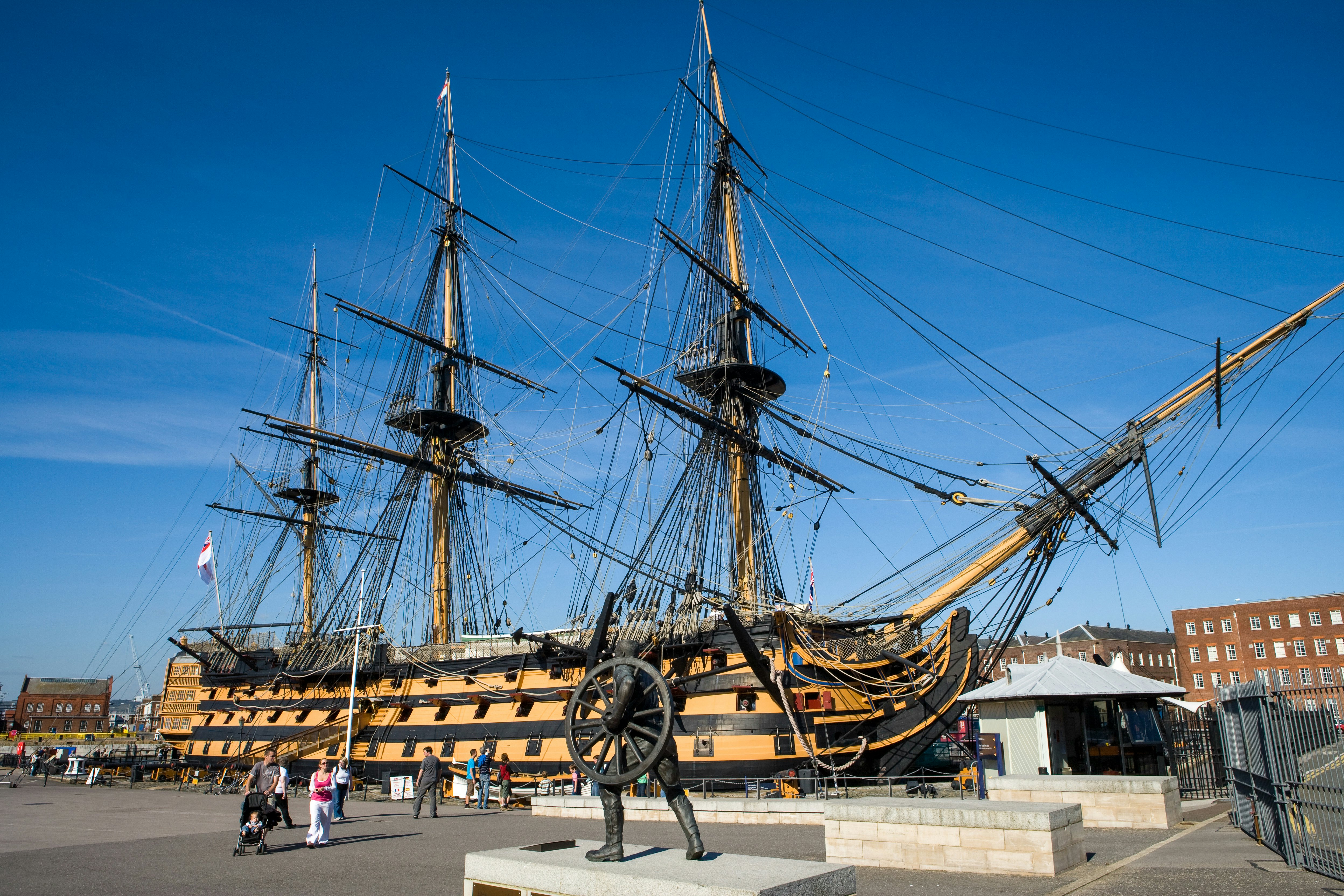
On the southeastern coast, about 90 minutes by train from London, the Portsmouth Historic Dockyard maintains an active naval base alongside multiple maritime museums. The real stars of the show, however, are the enormous historic warships. The Mary Rose, Henry VIII’s flagship, sank off the coast of Portsmouth while fighting the French in 1545; the associated museum's audiovisual experience puts the ship in its Tudor context. Also in residence: the HMS Victory, upon which Lord Nelson died during the 1805 Battle of Trafalgar; the HMS Warrior, a Victorian warship; and the HMS M33, which supported the Gallipoli landings in WWI.
Planning tip: While it may seem dear, the £41 all-inclusive ticket truly is the best value if you plan to visit more than one exhibit at the Portsmouth Historic Dockyard. You'll get unlimited access to all eight of the attractions (valid for one year, so you can spread your visit over multiple days), plus admission to two additional sights in Gosport. It also secures you a seat on the Waterbus and harbor tours.

Best for dinosaurs
London's colossal (and free) Natural History Museum is infused with the irrepressible Victorian spirit of collecting, cataloging and interpreting the natural world. It holds 80 million specimens, including original finds from Charles Darwin and Captain James Cook, as well as the enormous diplodocus cast skeleton in the magnificent Hintze Hall and the most intact stegosaurus fossil skeleton ever discovered
Link your trip: A stone's throw away, the spellbinding Science Museum mesmerizes across five floors of interactive, educational and eye-opening exhibits. The new Space gallery features two human-flown spacecraft, including the Apollo 10 command module, as well as a 3-billion-year-old piece of the moon.


Best open-air museum
A painstakingly recreated industrial landscape that's an easy day trip from Birmingham, the Black Country Living Museum is a vast open-air complex that immerses visitors in local life at the turn of the 20th century. Characters in period dress explain their distant lives as you walk streets lined with faithfully recreated buildings. Enjoy fish and chips for lunch at a turn-of-the-century chip shop, step inside a dusty 1930s garage with vintage cars, and sip on an ale at a spit-and-sawdust public house. The environment here is so realistic that its rustic waterway docks were used to film the canal scenes for the period crime drama Peaky Blinders.
Make it happen: The Black Country is well served by regular train service. The Tipton station, on West Midlands' Birmingham to Wolverhampton line, is 1 mile from the museum, and the train from London to Dudley takes about 1 hour and 45 minutes. However, once you are in the region, the wide-ranging bus network may be a better option for traveling between sights. Or pedal to the museum via the National Cycle Network Routes 5, 54 and 81.

Best for trains
The National Railway Museum in the beautiful medieval city of York transports all the romance of 19th-century and early 20th-century steam trains to its giants sheds filled with more than 100 locomotives. Highlights include a replica of George Stephenson’s Rocket (1829) and a 1960s Japanese shinkansen (bullet train). Admission is free, but for a fee, you can embark on a virtual-reality journey on the Flying Scotsman, guided by a cast of historic figures toward its 100mph speed record.
Link your trip: The railway bridge scene with Hagrid in Harry Potter and the Philosopher’s Stone, the first of the film adaptations of the epic novels, is York's only starring role in the series. Nonetheless, the city has become a must-visit destination for fans. York's Shambles, a picture-perfect street of medieval half-timbered houses, is said to have inspired Diagon Alley, and real-life merchants are making their own magic. At one end, The Shop That Must Not Be Named sells Quidditch memorabilia, wands and broomsticks; cross the road to The Potions Cauldron for fun 50-minute potion-making experiences in a secret room.

Best for kids
Bristol, in the country's southwest, is a city that’s well and truly on the rise. Disused warehouses have been reimagined as art galleries and museums, old cargo containers now host restaurants serving modern British dishes with a West Country lilt, and a world-class street-art scene adds color and flair. Echoing this creative character, the interactive exhibits and hands-on experiments at We the Curious let you chat with a robot chef, learn to make your own plant-based milk, become an inventor of a Rube Goldberg machine and explore intriguing questions such as why do rainbows make people happy.
Planning tip: Add £4 to the cost of your ticket to visit the excellent 3D planetarium (the only one in the UK).

Most unusual museum
The fabulous (if slightly macabre) Coffin Works in Birmingham is a beautifully preserved factory where accoutrements to coffins were once made. Funerals were big business in Victorian Birmingham, when this industrial powerhouse of the Midlands was known as the City of 1000 Trades, and the dusty shelves, tools and workbenches are left exactly as they were when Newman Brothers ceased operations in 1998.
Link your trip: England has no shortage of quirky museums. The Derwent Pencil Museum in Cumbria, the Framework Knitters Museum in Nottingham and Mary Shelley’s House of Frankenstein in Bath are but a few that dive deep into their niche topics.
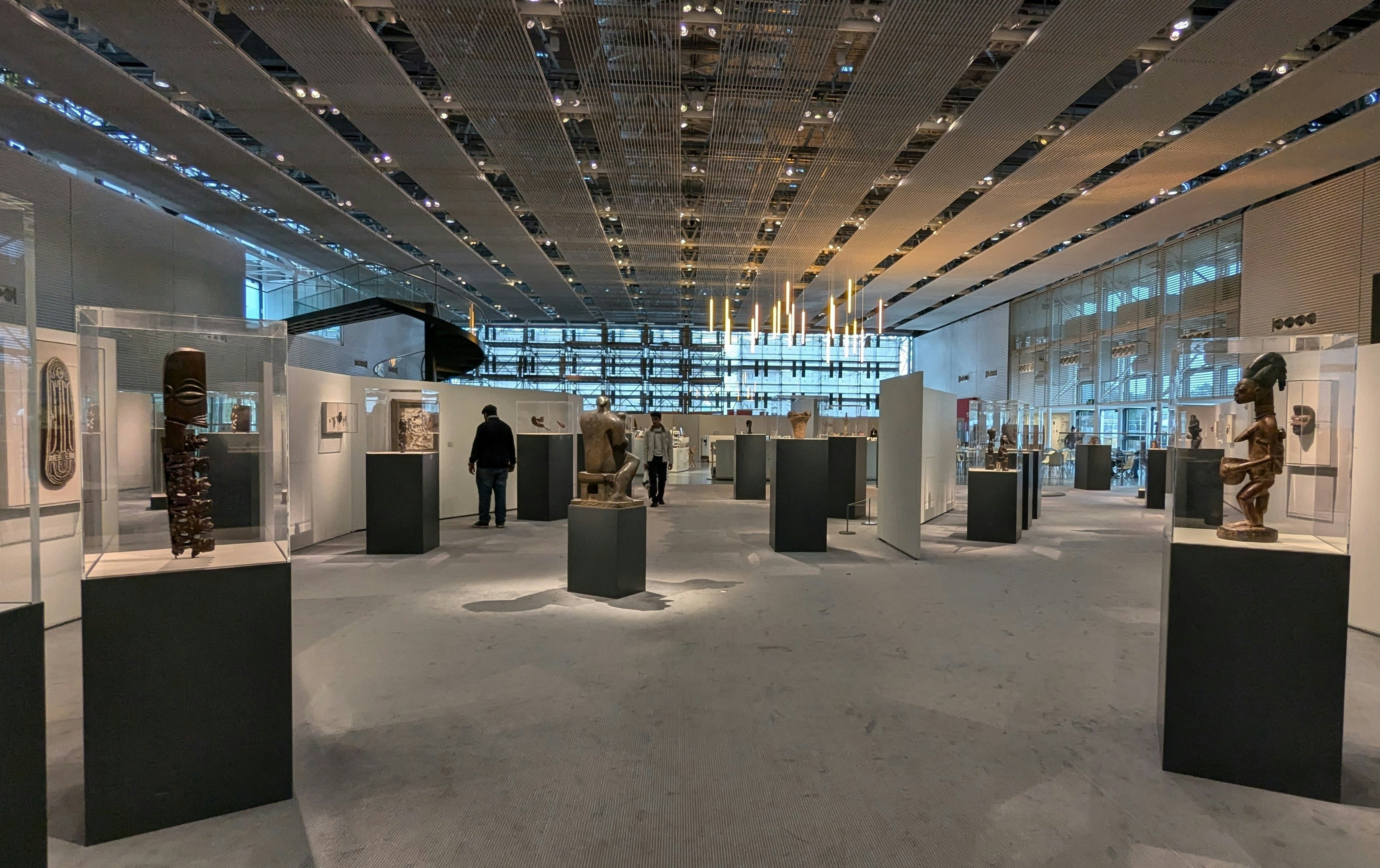
Assembled in a Norman Foster–designed pavilion at the University of East Anglia, Norwich’s most impressive art collection was amassed not by fine-art experts but by supermarket mogul Sir Robert Sainsbury. The superstore’s orange color scheme is notably absent; instead, in calming gray spaces the Sainsbury Centre for Visual Arts has over 5000 pieces of exceptional art, displaying paintings by David Hockney and Francis Bacon; sculptures by Edgar Degas, Henry Moore and Alberto Giacometti; and objects from cultures spanning the Arctic to the Aztecs.
Planning tip: The university is about 4 miles west of the center; you can get here on bus 25 in about 25 minutes. The museum was the first in the UK to institute a pay-what-you-wish ticketing system. The suggested price is £20, but visitors can choose whatever amount they like, including free.
Jun 28, 20225 min read
8 of the best museums in Birmingham: learn about the city's ingenuity and creativity