Advertisement

Tea break at Songlong Rock Waterfall near the Shanlinhsi (Shanlinxi) Nature Park. Meron Menghistab for Lonely Planet
Spring and autumn are the best times to visit Taiwan. In spring, you’ll enjoy mild weather before the heat and plum rain arrive. In autumn and early winter, the summer’s intensity fades, making this a perfect time for exploring.
Keep in mind that plum rains typically occur mid-May through June, and typhoons tend to hit in July through October (especially in August and September). Consider staying away from beaches and long hikes during these times, and make sure you have contingency plans for any transportation. A flexible itinerary, including indoor plans, and travel insurance can help you stay safe and protected. You can also tune in to local weather apps, as well as the Central Weather Administration, for typhoon warnings, rain forecasts and heat advisories in summer.
Advertisement
That said, there's no bad time to explore this lush, tropical island. Whether it’s temple tours and vibrant night markets, soothing hot springs, or hearty hotpots, Taiwan has something to offer year-round.
October to December is the time to get outdoors
Weather in Taiwan in autumn and winter: In the autumn, you'll see temperatures at about 20-30°C (68-86°F), with winters about 10° lower. You'll find low humidity and generally low rainfall, though typhoons can still occur in autumn.
Balmy autumns and mild winters (compared to Japan, Korea and most of China) mean hiking and cycling are extremely popular in Taiwan during the cooler months. Opportunities abound, offering a host of sceneries and as many levels of difficulty. Cyclists can spin by the river in Tamsui or challenge themselves to the epic Wuling Pass in Taroko Gorge, and most things in between. Hikers can watch the sunset from Elephant Mountain, walk among moss-covered cedars in Alishan, or spend days trekking through stunning landscapes in Yushan National Park. There are marathon races every month, and Iron Man Taiwan attracts triathletes from all over the world in November. Reward yourself after those efforts with an invigorating soak in a hot spring, such as the sulphuric waters of Beitou or the mud springs of Guanziling.
Autumn also sees people moving their legs for a different cause – celebration of equality and diversity at Taipei Pride, Asia’s largest Pride parade.

January to April is for cherry blossoms and seaside fun
Weather in Taiwan in winter and spring: You should see generally pleasant weather during this period. Temps are coldest at around 12°C (54°F), and they transition over the months to about 25°C (77°F). Rainfall starts increasing in March.
Advertisement
The Lunar New Year (usually January or February) is when shops close and hotel prices soar. However, cherry blossoms also bloom during this time, too (January to April). If you must come during this period, arrive after the 15th day of the Lunar New Year. It marks the official end of festivities, and most businesses reopen after that, if they haven’t already. Yangmingshan is home to some of Taiwan‘s highest concentrations of accessible cherry blossoms. In spring, you’ll see the trees rippling near the national park’s western entrance, their crowns heavy with “pink popcorn” in shades from blush to fuchsia. Combine floral appreciation with hiking, cycling and/or hot-springing for a short getaway: Ideal destinations include Sun Moon Lake, Alishan, Wuling Farm, Wulai Forest Recreation Area and Taroko Gorge.
In April, the blue-green waters lapping at Taiwan’s 1,566km (973-mile) shoreline are generally warm enough for swimming, and you don’t have to share the beach with as many banana boats and inflatable swans as in July and August. Head to Kenting for a proper sun-and-beach holiday, complete with killer sunsets, or to Little Liuchiu Island to snorkel with green sea turtles.
For nonswimming sea-lovers, Megaport Music Festival features indie acts from Taiwan and overseas, and takes place by Kaohsiung Harbour in March or April. The blare of a ship’s horn signals the start of every set of this 2-day event, which comes with food crawls and harbor tours.
During winter and early spring, air quality in some cities can get pretty bad due to an array of topographical and environmental factors. If you're booking outdoor plans, look to the coastal and mountain areas.
June to September is for museums and mangoes
Weather in Taiwan in summer and early fall: This is the peak season for typhoons, and temperatures can go up to about 30°C (86°F). The sun is strong, humidity is high and rainfall is heavy.
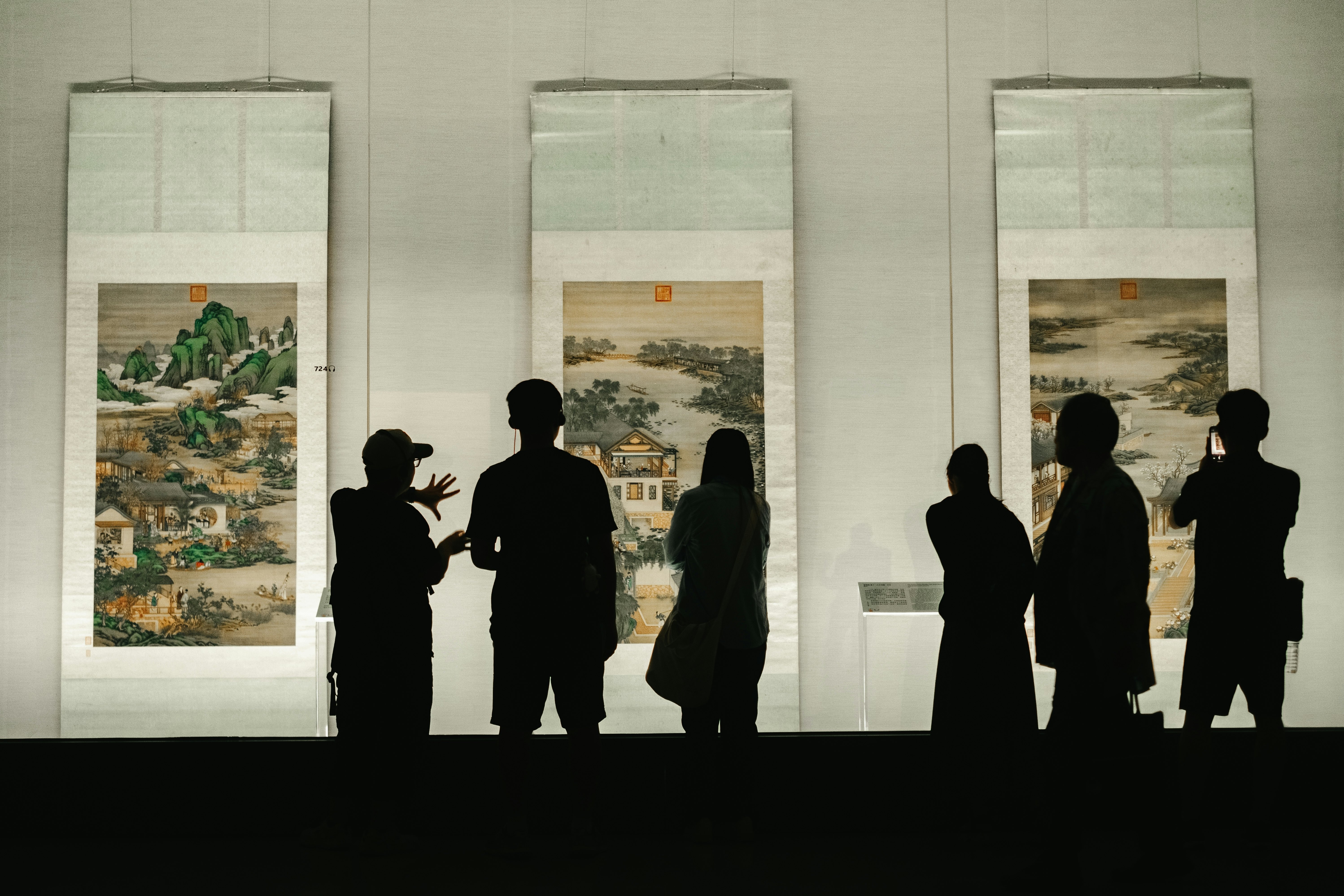
Summers are hot in Taiwan, especially in the south where temperatures can soar to just shy of 40°C (104°F). But a few soothing hours in an air-conditioned museum will chill you enough to brave the streets again. Some worthy museums include the Museum of Taiwan Literature (Tainan), the Museum of Prehistory (Taitung), Palace Museum (Taipei), Taiwan Museum of Fine Arts (Taichung), the Alien Art Centre (Kaohsiung), and Human Rights Museum (Taipei with an offshoot on Green Island). Similarly, there are under-the-radar activities to help you escape the crowds. Tour Kavalan Whisky Distillery or Fu Wan Chocolate Farm, explore Keelung’s Fairy Cave Temple, or browse second-hand gems and homely relics at Neiwei Flea Market in Kaohsiung.
Summer is when fruits are displayed in their full splendor in markets and roadside stalls, even the back of trucks, everywhere in Taiwan. Treat yourself to some of the world’s most luscious mangoes, watermelons, pineapples, dragonfruit and lychees, then a couple of months later, the juiciest persimmons and pomelos.

Festival season is every season
It’s no hyperbole to say there’s a religious or Indigenous festival every month somewhere in Taiwan. The Taiwanese love their culture and their gods, and they sure know how to fete. In spring, thousands send lanterns to the night sky at the Pingxi Lantern Festival while brave souls in protective gear throw themselves into a crazy fireworks blowout known as the Yanshui Beehive Fireworks Festival. One of Asia’s most spectacular religious events, the Mazu Pilgrimage features a statue of the sea goddess being carried through 50 towns over 9 days, accompanied by tens of thousands of pilgrims and visitors. In mountainous Neimen, Songjiang Battle Array is all about martial arts performances, face painting and roadside banqueting.

Just before summer, Bunun tribes in Eastern Taiwan hold the Ear-Shooting Festival, a series of coming-of-age events that include archery contests, legacy-passing rituals, and song and dance. For the Tao on Lanyu Island, coming-of-age and prayers for abundance are intertwined at the Flying Fish Festival, held between March and June. With equal fanfare, Amis tribes fete their culture and pray for a good harvest between July and September. For the entire seventh lunar month (August or September), the port town of Keelung hosts the country’s most famous Ghost Festival with a mesmerizing mix of elements from Taoism, Buddhism and folklore.
Triennially in autumn, fishing settlements along the southwestern coast celebrate the Burning of the Wang Yeh Boats, most notably in Donggang. The days-long extravaganza comprises parades and dramatic rituals, and ends with the burning of a boat on the beach.
In addition, there’s the Dragon Boat Festival in the fifth lunar month, the Midautumn Festival in the eighth, plus the birthdays of deities large and small to make sure even if there’s no festival on your itinerary, you may just run into one on your way to the convenience store.
Advertisement