


Advertisement

Strolling in the Piazza del Duomo, Lecce, Puglia. Martina De Pascali for Lonely Planet
Whether you are looking for a Mediterranean escape, a road trip through hilly wine regions, or an awe-inspiring art-fueled tour through medieval cities, Italy will not disappoint. But the question at the top of many travelers' thoughts is: can you explore Italy on a budget? The answer is, yes.
With a long list of attractions – whether they're culinary, scenic, architectural, historic or cultural – and many variables, planning a budget journey through Italy can be tricky. Prices often vary from season to season, but also from cities to countryside, and from north to south.
Some regions have a well-developed tourist infrastructure with an endless offering of ticketed things to do and a range of services that cater to every pocket. Meanwhile, other areas are less affected by tourism flows and provide opportunities for low-cost discovery.
Advertisement
Here’s your insider guide to exploring Italy on a budget, with tips to help you save a few euros as you travel through the 20 regions that compose this diverse peninsula.

Daily costs
Espresso coffee: €1.20
Bed in a hostel dorm: €25 to €50 per night
Double room in an agriturismo (farm stay): from €80 per night
High-speed train ticket from Florence to Milan: €56
Urban bus or tram ride: €1.50
Glass of Chianti wine: €5 to €8
Dinner for two: from €50
Margherita pizza: €6 to €8
Aperitivo cocktail: €5 to €10
Sandwich: €5
Car rental: from €50 per day
One liter of petrol: €1.80
Bicycle hire: €12 per day
Museum tickets: €10 to €20
Average daily spend: €130 per day
How much to budget for Italy will vary depending on how often you choose to move, whether you want to eat in upmarket restaurants and whether you are traveling solo or with someone else.
If you want to include major sights in your itinerary, then plan for around €130 per day. You could happily spend more by splurging on accommodation and shopping. Cutting down costs to make your money go further is also entirely possible with the following tips.
Manage cards, cash and extra fees
Use ATMs attached to major banks instead of independent machines with high fees. Ideally, you’ll have set yourself up with a bank card for travel that does not add international transaction fees. When taking out cash, choose the local currency, euros, rather than accepting dynamic currency conversion on card terminals. You’ll need a mix of cash and card in Italy, with some venues being cash-only. Download apps for public transport and museum entry ahead of your trip to secure cheaper advance tickets and for the best chance of finding discounts or sales and specials.

Advertisement
Fly into secondary airports or enter Italy overland
Most foreign visitors will take a flight to reach Italy from abroad. Landing in secondary airports served by low-cost airlines can reduce your travel costs by a lot. You could fly into Bergamo to visit Milan, or check flights to Pisa or Bologna to get to Florence, for instance. Ryanair, WizzAir, EasyJet and Vueling all fly into Italy.
But flying isn’t the only way of getting to Italy. In 2021, a new high-velocity rail line connecting Paris to Milan and Turin was opened. It is now possible to travel with a Trenitalia train from the French capital into Italy (book in advance).
Choose budget-friendly regions and cities
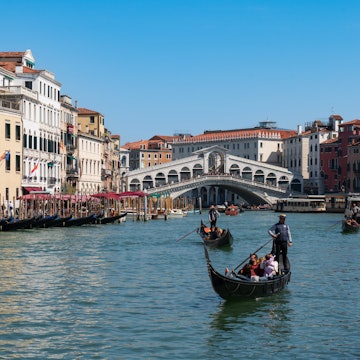
While Milan, Florence or Venice are obvious places to visit, they also come with a bigger price tag. You’ll have more chance to find good-value accommodation and more local places to eat and drink in cities and regions that are less popular with tourists. Smaller cities like Turin, Vicenza and Bologna are all worthy of exploring in and of themselves, with the option to day trip to other nearby cities. Mid-sized towns like Perugia, Padua, Lecce and Lucca are also great places to explore for all the reasons you want to go to Italy. And southern regions such as Puglia, Basilicata and parts of Sicily have food and lodging for less than in the north with a more authentic local vibe, plus plenty of sunshine. There are trade-offs, of course — fewer direct flights and slower train connections may slow down your itinerary, which is something to consider if your time is limited, as well as your savings.
Shoulder season is the best season
Traveling to Italy in May and June or in September and October offers the best balance between weather, costs and things to do. The peak holiday season runs between July and August – this is when most Italians go on vacation, when prices skyrocket, when the heat is hard to bear, and when beaches are packed. Visiting the country before or after this period provides the best chances of having pleasant temperatures, finding deals and avoiding crowds.

Ditch the car and move around with public transport
While it is true that a rental vehicle will allow you to visit rural and mountainous areas with ease, public transportation connects most cities and can get you around with a small budget. Not all public transit options are the same, however – high-speed trains are fast but can be costly if booked on the spot; regional trains are slower but can cost less than half of their high-speed counterparts. Buses are the cheapest option, although not the most comfortable.
Let’s say you want to travel from Rome to Florence next week: a high-speed train will set you back approximately €45; doing so on a regional train will amount to €23; and traveling the same distance on a Flixbus coach can cost as little as €7.
Seek out discounts for train travel
Yes, high-speed rail travel is the most expensive form of public transport, but this is not always true. Booking your seat a few weeks in advance will get you reduced-price tickets for both Italo and Trenitalia fast trains.
If you are planning to move around a lot by train, it is worth considering purchasing a Trenitalia Pass, which will allow you to travel for multiple days everywhere in Italy starting from €139. Trenitalia also provides special offers for same-day return tickets and weekend return tickets.
Use these budget-smart accommodation strategies
Book early in major cities and during events to avoid high last-minute prices. Staying outside historic centers will give you lower room rates, then use public transport to reach sights. For the best deals for cheaper accommodation, look at hostels, religious guesthouses, university residences in summer, and simple family-run guesthouses. Be aware that city tourist taxes add a small nightly cost, so don’t forget to factor it into your budget.

Stand up for your coffee
Italians stop at cafes multiple times a day to top up their caffeine levels. The espresso ritual doesn’t change throughout the country – a strong shot of coffee is typically had standing at the bar in a matter of minutes. Many cafes, especially in larger cities, will charge a service fee if you sit down for your coffee. Stand to drink your coffee and tuck into a cornetto (pastry) like a local, then get on your way. Table service is usually around €1 to €3.
Don't buy bottled water, especially in Rome
Tap water is drinkable in Italy – take a refillable bottle with you to save some cash and reduce your consumption of single-use plastics. This is especially easy in Rome – Italy’s capital has over 5000 drinking fountains known as nasoni (big noses) spread through the city. Check out fontanelle.org for a map of all the drinking fountains in Rome.
Look out for lunch deals in trattorias
Street food is a great way to cut food costs in Italy, but you don’t always need to give up on the pleasure of sitting down at a local restaurant table to save money. Many trattorias and osterias around Italy offer fixed-price lunch menus including a pasta dish, a second course, water and wine for under €15. Look out for signs promoting a menù del giorno (menu of the day). If the service is good, a tip is appreciated, ideally leave at least a couple of euros in cash per diner. If a service fee is already added to your bill, there's no need to leave extra.

Plan a low-season art tour
Italy’s endless art heritage attracts a constant flow of tourists year-round, but visiting during the winter will reduce your chances of finding yourself jostled in a crowd. Many art institutions also offer discounted tickets during the low season. For instance, an adult ticket for Florence’s Uffizi – one of Italy’s most visited museums – goes down between November 1 and February 28.
Go church hopping to admire the work of great artists
Museum tickets can quickly add up, but world-class art is not found in galleries alone. Italy has upwards of 100,000 churches on its territory, and many of these religious structures contain exceptional icons of the country’s cultural heritage that can be admired free of charge. Caravaggio, Raffaello, Giotto, Lippi and Botticelli are just some of the names you can expect to encounter when entering churches in art cities like Rome and Florence.
Seek “free” beaches
Many public beaches in Italy are privately managed by businesses known as bagni that rent umbrellas and deckchairs to holidaymakers during the summer months. While this will guarantee a space on the sand for you to sunbathe in peace, it can set you back between €15 and €40 per day, depending on the location. To avoid paying for a spot on the beach, ask around for the nearest spiaggia libera (free beach), the coastal areas where access is free for all.

Walk a long-distance pilgrimage route
One of the most memorable experiences you can do in Italy is also one of the least expensive. Follow the footsteps of medieval pilgrims by hiking along one of the historic routes that are found throughout the country – the Via Francigena is the best-known itinerary of this kind, running from Canterbury, England, all the way to Southern Italy, via Rome. Like on the Camino de Santiago, on the Via Francigena, it is possible to sleep in monasteries and hostels that cater to modern-day pilgrims for a few euros per night. No time for hiking? A similar route can be done by bike.
Advertisement
Explore related stories





Apr 28, 20225 min read
12 ways to visit Turin on a budget: daily costs, meal deals, and money-saving tips