

Share
Italy's most-visited site is now charging visitors a small entry fee

Sasha Brady
Jul 7, 2023 • 2 min read
Share

Tourists lined up to enter Pantheon - Basilica of Santa Maria ad Martyres on the first day of general admission on July 3 © Stefano Montesi / Corbis / Getty Images
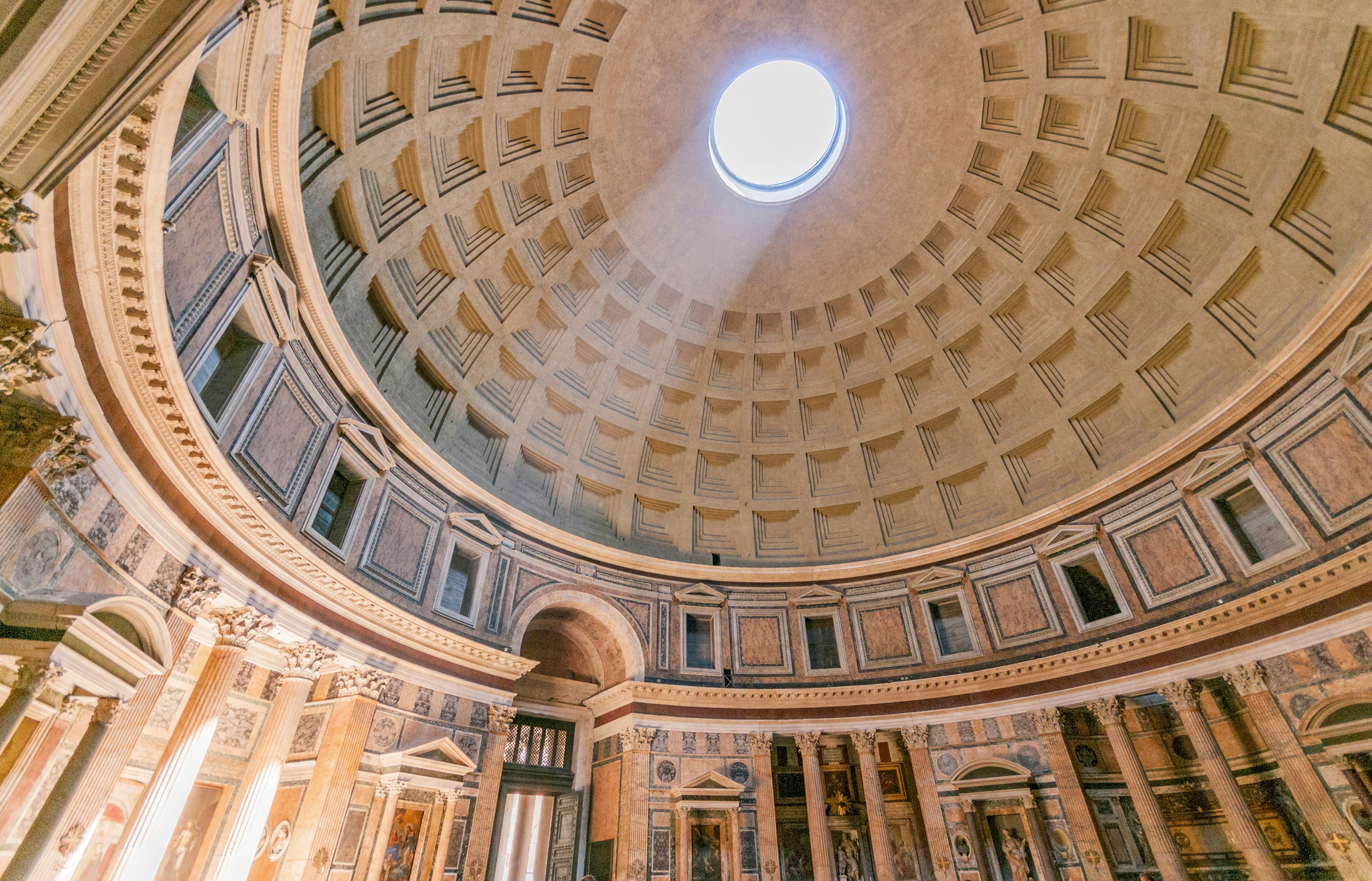
Rome's Pantheon attracts millions of visitors each year. Dating back to the second century BC, it's the only major work of Roman Imperial architecture still standing - a revelation of human construction that has remained remarkably preserved throughout the ages.
For years visitors had the privilege of exploring the iconic temple for free. But on July 3, Italian culture and church officials decided to introduce a nominal entry fee - charging visitors €5 ($5.28) to enter.
However, those under 25 will only have to pay €2 and entry remains free to children (under 18), residents of Rome, people attending mass and those working at the Pantheon.
Visitors can purchase tickets online or pay at the door, but reservations are required on weekends and public holidays.
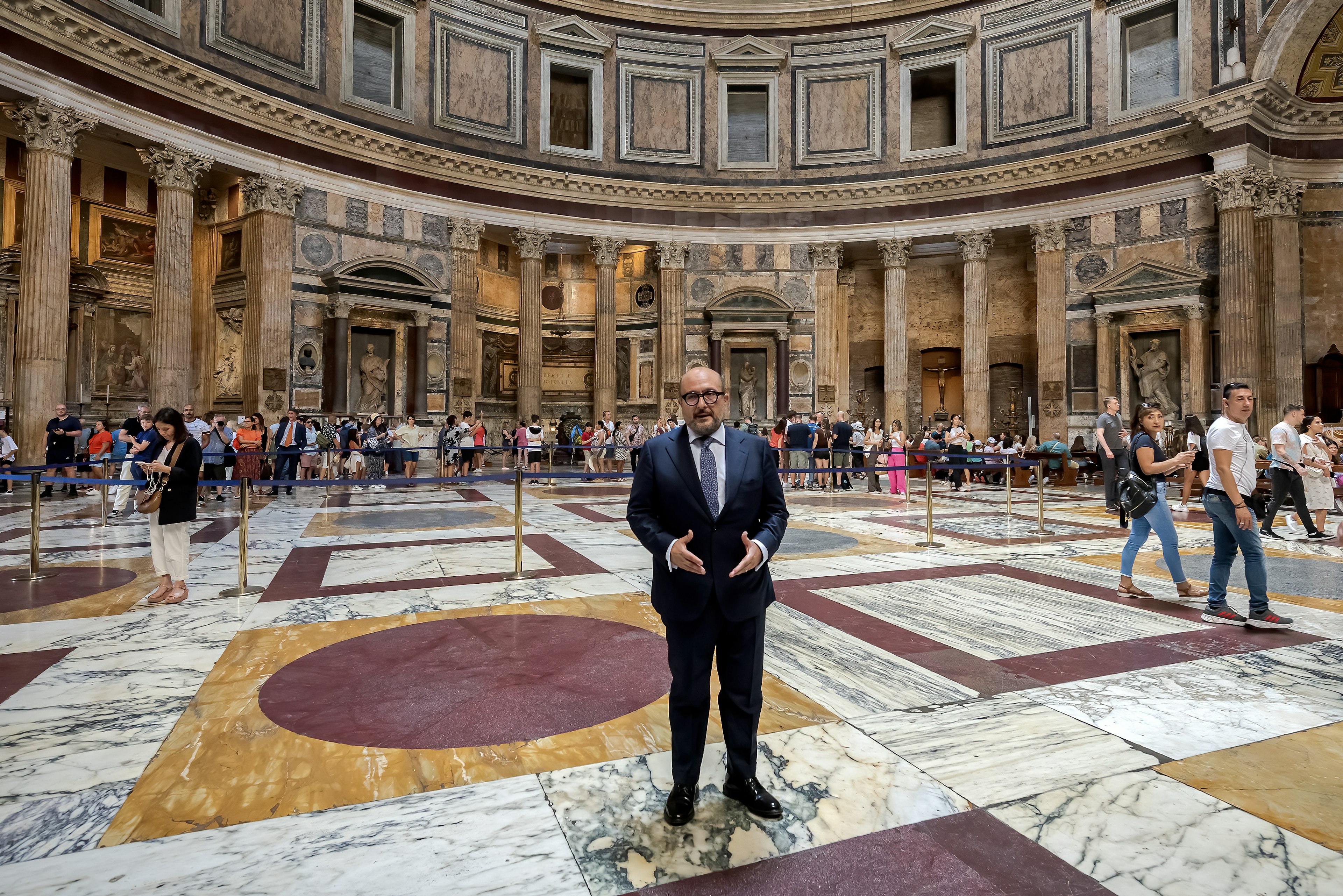
Culture Minister Gennaro Sangiuliano justified the move as a matter of "good sense" and explained the revenue generated will be divided accordingly, with the culture ministry receiving 70% (to help cover cleaning and maintenance) and the Rome diocese receiving 30%, according to the Associated Press.
Initially constructed by Emperor Hadrian as a temple honoring the Roman gods (Pantheon means "all Gods" in Greek), the Pantheon was eventually transformed into a Catholic church in 609 AD, known as Basilica of Santa Maria ad Martyres, where regular masses are conducted.
Notably, it boasts the title of having the largest unreinforced concrete dome ever built and is the most-visited site in Italy, attracting over nine million tourists annually.
While entry to most of Italy's churches remains free, Italy is implementing entrance fees for popular tourist attractions elsewhere. One of the most significant is in Venice where day-trippers are set to be charged an entrance fee soon, a move that officials hope will help them order to manage the crowds of day visitors and cruise ship passengers that can sometimes overwhelm the city, particularly during high season and public holidays.
Italy has also been busy opening some new sites to visitors in recent years. In June, the Largo di Torre Argentina (the site where Julius Ceasar is said to have been assassinated) was opened to the public (entry is free), while more sites at Pompeii continue to open to visitors amid ongoing archaeological work.
Explore related stories

Art and Culture
Rome vs Florence: which blockbuster Italian city should you visit?Nov 5, 2025 • 7 min read


 HistoryThe Colosseum's secret network of underground tunnels is open to the public for the first time
Jun 29, 2021 • 3 min read
 HistorySinkhole opens in front of the Pantheon exposing ancient Roman pavements
May 22, 2020 • 2 min read
 HistoryInside Pompeii's House of Lovers as it reopens to the public after 40 years
Feb 19, 2020 • 2 min read
 PhotographySee Syria’s beautiful historical sites as they were before the war
Jun 8, 2018 • 2 min read
 ActivitiesVisited the Vatican and the Colosseum? Here's what to do next in Rome
Jan 11, 2026 • 7 min read