Advertisement

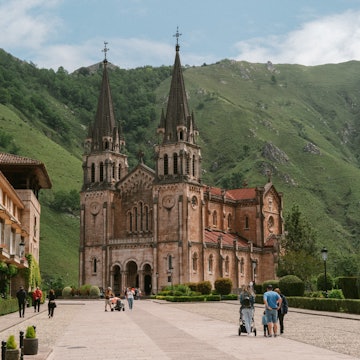
Deià, Mallorca, in spring. Frank Lambert/Shutterstock
Between its baking hot summers and surprisingly brisk winters, spring is one of the best seasons to explore Spain.
As the days grow warmer and the cherry buds of Extremadura begin to show, Spaniards are making the final preparations for the springtime festivals that take place throughout the season, starting with flaming fun in Valencia and ending with sweet treats and concerts in Madrid. Flowers take center stage during many of these festive events, whether they’re decorating the steps of a Gothic cathedral in Girona or on sale alongside books during Barcelona’s beloved Sant Jordi festival.
Spring weather is also ideal for hiking in the mountains of the Balearic Islands or through the bucolic landscapes along the Camino de Santiago. Alternatively, you can take your journey much closer to the tropics and enjoy post-peak-season prices in the Canary Islands, perhaps daring to summit El Teide, Spain’s highest peak.
Before the heat waves return and the summer crowds swarm the country’s famous beaches, trails and city centers, consider our month-by-month guide to the best places to visit Spain in spring.
Advertisement
The best places to visit in Spain in March
Valencia
Best for colorful displays
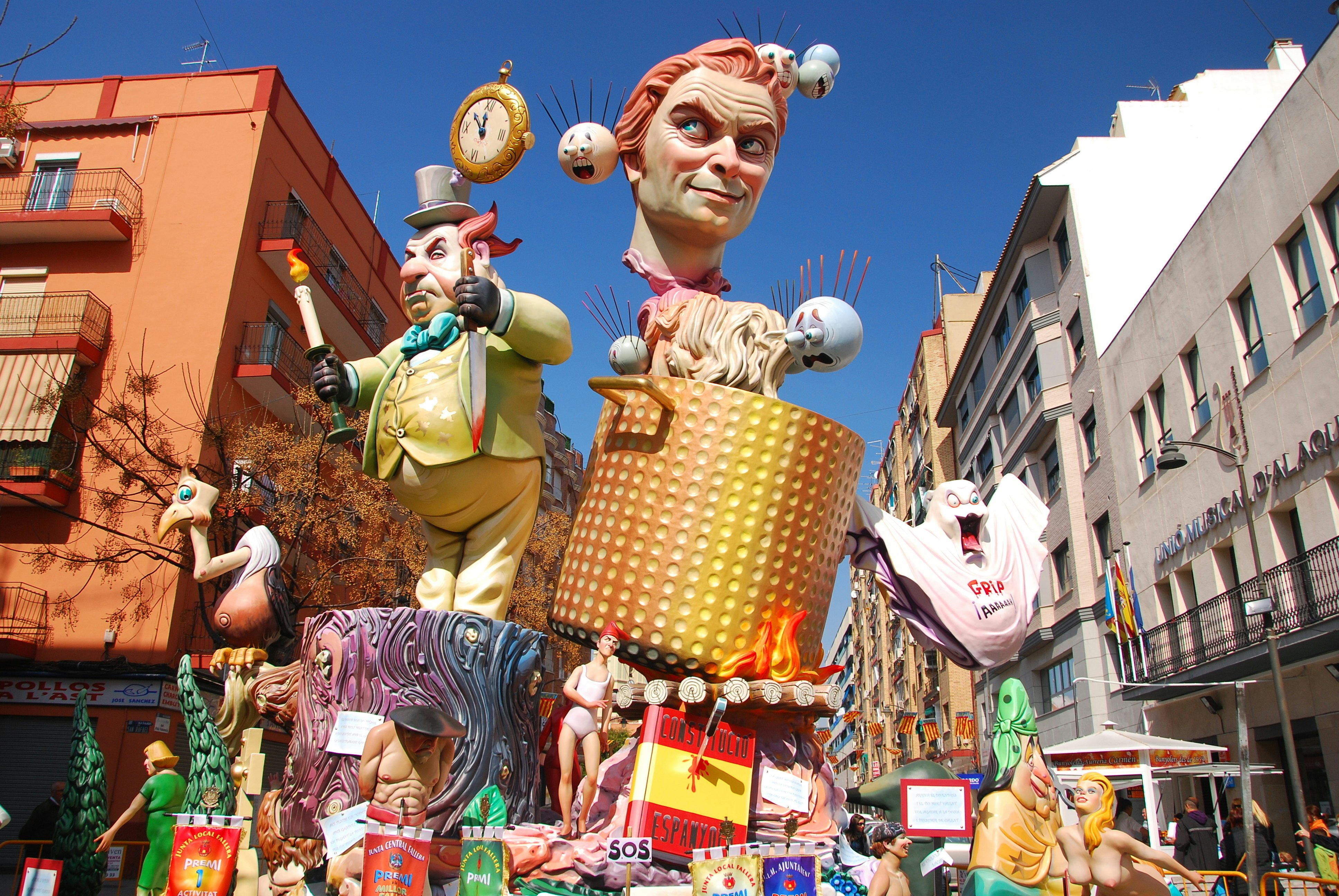
Each year between March 15 and 19, the Mediterranean-facing city of Valencia celebrates the end of winter with flamboyant revelry during Las Fallas, a UNESCO-recognized festival that has traditionally marked the transition to spring. Preparations begin months in advance, with craftspeople and artists working alfresco in the city’s hundreds of squares to construct beautiful papier-mâché sculptures.
On March 15, you will be able to see the completed artworks on their judgment day. But you’ll have to move fast: during the festival’s final ceremony, they will all be lit with torches, creating massive bonfires that attract cheering crowds. The destruction of these transient artworks symbolizes rebirth, renewal and letting go.
Planning tip: Before the bonfires, don’t miss the fireworks show on March 19, best enjoyed from the grass of the Jardines del Turia.
Valle del Jerte, Extremadura
Best for cherry blossoms
The western region of Extremadura is one of the world’s best places to see cherry blossoms. For about two weeks, the hills of this rural region – richly green after winter rains – transform into fields of white as the cherry trees start to flower. While the dates of the bloom vary from year to year, the spectacle typically happens toward the end of March and the beginning of April.
No matter what, the official opening ceremony will be held on March 21 in the town of Rebollar (an hour by train from Cáceres), with live music in city squares from morning to night. The celebration then moves through the valley, with festivities such as special markets and performances taking place in Piornal and El Torno.
Planning tip: For updates on this year’s cherry-blossom forecast and local events, you can check the cherry festival’s official blog.

Canary Islands
Best for a sunny getaway
Advertisement
In March, the high season in the Canary Islands is just finishing up, closing out with Carnaval celebrations that take place between late February and early March. (A highlight is the playful event that takes place on the Monday of Carnaval week, during which people dress up in white, sing, dance...and participate in a big talcum-powder fight.) You’ll be able to find better deals on hotels, and the weather will still be warm but not too hot, with highs around 23°C (73°F).
This is a great season for taking advantage of the islands’ hiking routes like the Camino de Santiago on Gran Canaria, or the classic trek to the summit of El Teide, Tenerife’s 3718m-high volcano, which may still have its snowcap at this time of year. You can also keep things relaxed by enjoying the golden beaches of Fuerteventura and Gran Canaria, or the hidden coves of Lanzarote.
The best places to visit in Spain in April

Barcelona
Best for book lovers
Forget Valentine’s Day: if you’re a lover of books, Barcelona’s Sant Jordi Day is the holiday for you. Also known as the day of books and roses, April 23 commemorates Catalonia’s patron saint with the tradition of exchanging these wonderful gifts. For the city of Barcelona, this means that the city will erupt with both, as flower sellers pop up on every corner and the Passeig de Gracia transforms into a giant, open-air book fair. (Indeed, the market grows bigger every year, and now spills over to parallel avenues.) One of the most popular sights is Casa Batlló, the colorful Gaudí masterpiece that delights visitors every year when it decorates its balconies with sculptural rose petals in honor of the holiday.
This really is like a second Valentine’s Day, so many restaurants offer special couples’ menus – and finding a table can be tricky if you don’t reserve in advance.
Local tip: While most of the books at the fair will be in Spanish or Catalan, Barcelona has some wonderful English bookshops. Check out the staff-curated picks at Backstory, or the secondhand finds at Hibernian Books.
Seville
Best for traditional culture
Spring receives its official welcome in Seville during the city’s Feria de Abril. (Although it usually takes place in April, the festival always falls two weeks after Semana Santa, which varies from year to year. In 2026, the festival falls in the third week of April.)
The festival is a celebration of Andalucian culture, with block parties, dancing and casetas, small tents that host private parties. While these are notoriously hard to get into unless you know someone, there are a few public casetas that welcome tourists every year. You can expect fairgoers to be dressed up in their finest flamenco costumes; other main events include daily horse parades, a tradition that goes back to the feria’s 19th-century origins, when it was just a simple cattle fair.
Local tip: The Feria de Abril happens to be one of the biggest events on the Spanish bullfighting calendar. While this tradition may bother some travelers, it’s important to be mindful of the local culture, of which bullfighting remains an important expression.

Mallorca
Best for mountain adventures
Mallorca may be more famous for its beaches than its mountains – yet if you want to get to the heart of the island’s history, you simply have to head to the Serra de Tramuntana. The mountainous region is scattered with delightful villages like Sóller. The springtime weather is the perfect moment to discover a monastery with an unexpected musical history in Valldemossa. And one of the most beautiful cemetery views you will ever see, in Deià, looks even better with springtime blossoms.
Spring is also a great time for hiking the trails that line Mallorca’s coast. (Not feeling that fit? Rent an electric mountain bike through an outfitter like Husky Rides, based in El Capdellà.) The off season also offers the chance to sample some of the island’s most sought-after luxury hotels and Michelin-starred restaurants, including Sa Clastra at the Castell Son Claret.
The best places to visit in Spain in May

Camino de Santiago, Galicia
Best for long distance-hikes
If you dream of spending long, contemplative days on the hundreds of kilometers historic trails that lead to Santiago de Compostela, spring is the best time to walk the Camino. The weather in May is mild – warm, with the occasional shower – so you will worry a lot less about dehydration and sunburn than in summer. The route is quite popular at this time of year, though, so you should expect to be walking alongside more pilgrims and prebooking your accommodations for each town to secure your bed for each night.
Planning tip: The minimum requirement to say you’ve walked the Camino – if you crave the coveted Camino Certificate from the Pilgrim’s Office – is to start in Sarria and walk the last 100km to Santiago de Compostela. Even this abbreviated itinerary takes about 8 days.
Girona, Catalonia
Best for floral exuberance
For one week in mid-May, the medieval streets of Girona explode in color during the annual Temps de Flors. In a glorious display, the city’s bridges, courtyards and the iconic steps of the cathedral host impressive floral displays created by artists and local community groups. The themes change from year to year, but the arrangements are always impressive, incorporating large sculptures and decorating the city’s ancient landmarks, including the Arab Baths and the Monestir de Sant Pere de Galligants.
Planning tip: Girona is only 40 minutes north of Barcelona if you go by high-speed train, making this a wonderfully easy day trip. Yet you’ll avoid some of the thicker crowds if you decide to spend the night and wake up early to take in the displays.

Madrid
Best for outdoor revelery
The Spanish capital celebrates its patron saint on May 15, with the fiesta kicking off two weeks before. For the entirety of the San Isidro Festival, Madrileños stick to a busy schedule of concerts and shows in Plaza Mayor and San Isidro Park.
Bullfighting is one of the main events; alternatively, you can look forward to seeing the parade of the chulapos and chulapas, pilgrims who dress in traditional clothing to pay their respects at the Hermitage of San Isidro. You should not leave town before you try one of the traditional doughnuts (roscas), typically washed down with wine mixed with lemonade.
Advertisement