Advertisement

Aerial view of Puntarenas, Costa Rica. imageBROKER/Moritz Wolf/Getty Images
Costa Rica's beautiful beaches, wildlife-packed cloud rainforests, and sky-scraping mountains attract entranced visitors from all over the globe. The pura vida (pure life) spirit fills every corner of this magical place, and the locals take their commitment to preserving it very seriously. The tiny country is divided into distinct regions, each with specific characteristics, wildlife and landscapes from sunny coastline, to mountainous volcano regions to the lush rain and cloud forests.
With the average temperature hovering around 80℉ (26℃), there's really no bad time to visit this Central American paradise. And while many warn to watch for rainy season travel, the wettest months are September and October (with up to 25 inches of monthly rain). And, in the shoulder months on either end of the rainy season, there's a wide spectrum of how much precipitation you can expect; May to August monthly rain tallies could be anywhere from 6 to 18 inches, for instance. There are advantages of visiting on the edges of rainy season, given there are fewer tourists and the weather can still be overall good with patches of rain here and there. It all depends on the year and what Mother Nature delivers. To maximize your trip and execute on specific activities on your must-do list, timing is everything. Here's what you need to know about choosing the best time to visit Costa Rica.
Advertisement

December to April
Best for beach vacations
If your main goal is to spend time in the sun, visit during Costa Rica's dry season, which runs from December to about mid-April.
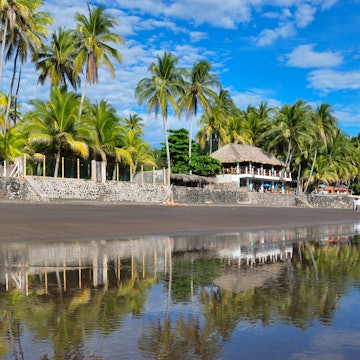
Every day will bring clear skies and enough sun to enjoy the beaches along the Caribbean and Pacific coastlines. Lower rainfall means it’s arguably the best time to visit in general, and also more attractive for travelers hoping to see wildlife. Whether you choose a luxury beach resort or a boutique surf hotel, there is plenty to see and do along Costa Rica's crystal clear ocean waters from surfing and snorkeling to SUP and boating.
However, this is the high season – expect higher prices for accommodation and airfare. It will also be more crowded, particularly around the major holidays of Christmas, the New Year and Easter. March is also very popular for travelers on spring break.
May and June
Best to avoid crowds
Advertisement
May is the beginning of the "green" season. Expect mornings full of sunshine, but rain later in the day. This is also when much of Costa Rica’s plant life comes into bloom.
This time of year can be slightly unpredictable when it comes to rainfall, because it’s between the dry and rainy seasons. However, if you want to experience most of the more popular sites without large crowds, this is the best time to visit.
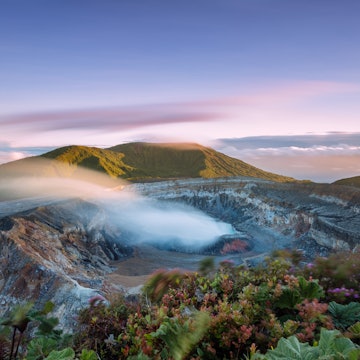
It’s also a great time to get a clear view of Volcán Arenal. A great home base for a volcano visit is the town of La Fortuna. From there, join an outfitter for a rainforest hike or a few hours of zip lining. After, unwind in the hot springs at Tabacón. Keep in mind the end of June will begin to see more crowds as the summer travel season starts for many Americans.

July and August
Best for spotting wildlife
July and August are still within the country’s green season, so you can expect the same weather as in May and June. It’s also the perfect time for whale watching in Dominical, a visit to Manuel Antonio or spotting sea turtles in Tortuguero National Park. If you make it to Santa Elena during these months, expect a magical cloud forest adventure with the potential bonus of visiting a coffee farm in the region, too, despite muggy weather and the periodic afternoon shower.
Trails, roads, and paths may be muddy and slippery at this time of year, so bear that in mind if you’re interested in exploring off the beaten track. Prices for certain attractions and activities may be higher due to the influx of travelers coming for summer break.
September and October
Best for budget travelers
September and October see the departure of summer travelers and the arrival of holiday travelers. You’ll find fewer crowds and more deals on accommodation and travel to Costa Rica. This is a great time to get to know San José, a city bustling with music, great food, museums and nightlight, regardless of what the weather brings.
This makes it the best time for those wanting to explore the country without big crowds and higher prices, however, it’s also the height of the rainy season, so weather-wise it’s the least desirable time to visit. There is also the possibility of flooding during these months, so traveling point to point or visiting more remote areas of the country isn't ideal.

August to November
Best for surfers
Great surf is one of the main draws of Costa Rica’s Pacific coast, and August through November is when you will see many of the biggest waves thanks to storm surges brought on by the rainy season. Some excellent surf hubs include Nosara, Tamarindo, Santa Teresa, Jaco and Pavones. Depending on your travel plans, and whether the Pacific or Atlantic Coasts are most easy to work into your trip, there's a slice of surf with your name on it.
While conditions may be ideal for experienced surfers, the country is packed with surf schools for all levels. During this time of year, you can also expect moderate rainfall. November’s weather tends to be unpredictable too, so bear that in mind if you are planning outdoor activities as part of your trip.
Advertisement