Advertisement

Find the perfect time for your visit to Panama with this guide to what's happening throughout the year. Rainer Lesniewski/Shutterstock
With beautiful islands, a rich Indigenous culture, wildlife-filled rainforests, cosmopolitan cities and two magnificent coastlines to explore, Panama is somewhere to linger. But whether you're here for the beaches, the cities or the famous canal, it pays to consider the climate when picking the best time to visit Panama.
The southernmost nation in Central America lies just nine degrees north of the equator, buffeted by the trade winds of the Pacific and Caribbean, meaning a tropical drenching often comes with the territory. However, with warm temperatures every month of the year, a little rain isn't always a bad thing.
The best time for your trip to Panama will depend on what you plan to do while you're here. If you want to bask on golden sands or trek into the rainforest, visit during the dry season from December to April. The best waves for surfing are unleashed along the coast from April to December, while divers and wildlife spotters gather from August to September when humpback whales, orcas and sharks congregate off the Pacific shoreline.
The best places to visit in Panama will vary depending on the time of year you visit. Don’t underestimate the impact of Panamanian public holidays. Normal life shuts down completely for seasonal celebrations such as Día de la Independencia in November, the Easter celebrations in March or April, and Christmas in December.
Advertisement
To help you plan, here's our guide to the best time to visit Panama, covering the weather, the tourist seasons, holiday prices, the best times for activities and the major festivals.

Regional climate variations in Panama
Many locals say Panama actually has two climates – one for the Caribbean and one for the Pacific. A visit to the Caribbean Coast can be a damp experience at any time of year, though the sun usually puts in an appearance in the morning and afternoon. The driest months are February, March and April, with another window of drier weather in the Bocas del Toro islands in September and October.
The Pacific Coast and Panama City see the sunniest skies (and peak prices) during the dry season from December to April, when hordes of sun-seekers flock south from North America. The rainiest months are usually October and November, including in the capital.
Expect high humidity in the dense forests of Panama's national parks at any time of year. To get the best from outdoorsy hubs such as Boquete, the best time to visit Panama is during the mid-December to mid-April dry season.

The early high season, from mid-December to February, is the best time for snowbirds
Weather in Panama in the early high season: Panama is warm year-round, but temperatures creep even higher from December, drawing sun-seekers from across the northern hemisphere. Expect dry days with highs reaching 29ºC (85ºF), lots of sunshine, and lots of people to share it with.
Mid-December to February is a busy time to visit Panama, as snowbirds flock south from the US and Canada. Expect higher prices and crowds at major tourist sights and the beaches. As the temperatures rise, locals head for the coast in big family groups and Panama's beaches can be mobbed, so arrive early to stake out a patch of sand.
The warm-up for the Christmas holidays impacts travel throughout December. Locals move around the country in huge numbers, and tourists start to flock in from elsewhere in search of winter sunshine. The period between Christmas and New Year sees maximum demand and peak prices.
Panamanians go all out for festivals and Christian feast days, so Christmas is always a lively time to visit. Plan your travel well ahead of time for the holiday period – hotel prices can rise to double the normal rate, and transport is often booked out weeks in advance.
Advertisement
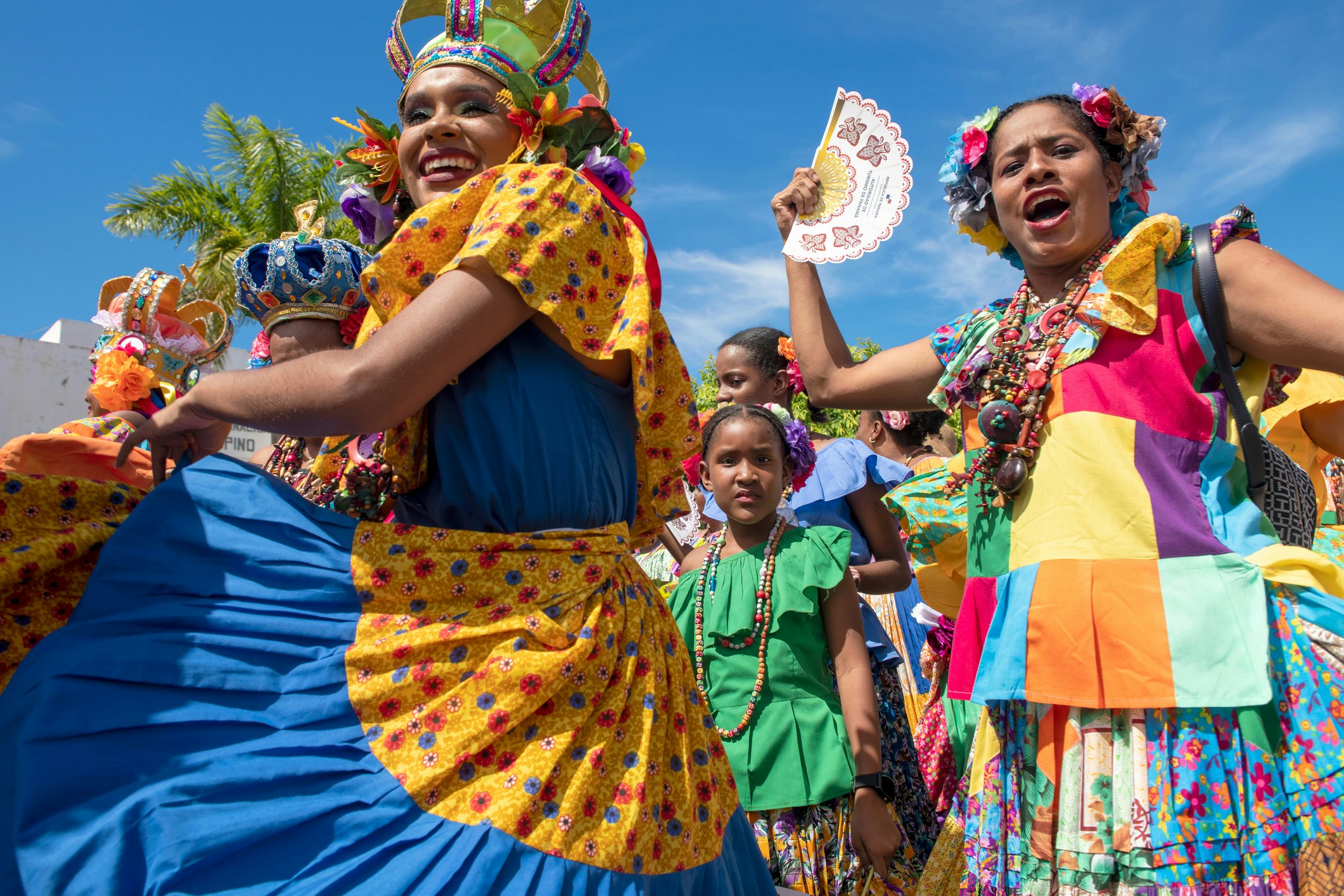
Expect enthusiastic New Year celebrations in Panama City's Casco Viejo and coastal tourist hubs such as the Bocas del Toro islands. Another celebration worth traveling for is the 1000 Polleras procession in Las Tablas in the Azuero region, where Panamanians parade through the streets dressed in fabulous traditional costumes in mid-January.
With both the dry season and tourist season at their peaks, the whole of January is a busy time for travel in Panama, particularly in beach areas. The weather creates prime conditions for kitesurfing, with Pacific temperatures at their warmest and consistent breezes along the coast.
The mountain town of Boquete is filled with people and blooms for its flower and coffee festival, and music fills the streets of Panama City during the Panama Jazz Festival. With sunny skies overhead and dry trails underfoot, this is also a good time for hiking and exploring the rainforest.
The warm, dry weather keeps tourists coming to the Pacific Coast well into February, and the Caribbean Coast also sees plenty of visitors. Depending on the timing of Ash Wednesday, February can be one of the busiest times of the year as the Carnaval rolls into Panama City.

The late high season in March and April is hot, but great for beach time and festivals
Weather in Panama in the late high season: The rising temperatures peak around Easter, when daytime highs of 32ºC (90ºF) are common. March and April are the hottest and driest months of the year, and the prime months for outdoor activities and enjoying the beaches. If you visit at this sizzling time of year, plan to be somewhere near the ocean or a waterfall.
You'll find plenty of surfers enjoying the swells on both the Pacific and Caribbean coasts in March, and if Easter falls in the same month, things can get very busy. The Semana Santa (Holy Week) celebrations blaze a trail through Panama in the week before Easter, with processions and re-enactments of the crucifixion held all over the country.
Note that Easter coincides with spring break, when North American college students join the tourist throngs, adding to the demand for accommodations and transport. As April rolls on, tourist numbers dwindle, meaning lower prices and less competition for rooms and flights.

The mid-December and mid-April shoulder seasons bring lower prices
Weather in Panama during the shoulder seasons: As Panama comes out of its rainy season, there's a brief window in early December where the weather starts to improve but the winter crowds have yet to gather. When the dry season comes to an end in mid-April, there's another window of mixed wet and dry days, with fewer tourists around to push up prices.
While the prime time to visit Panama weather-wise is during the December-to-April dry season, you’ll have to share the experience. Things are a little quieter – and cheaper – during the short shoulder seasons in early December and from mid-April to May.
As the December holiday season approaches, winter sun-seekers congregate, so expect increasing competition for rooms, transport and space on the beach all over Panama as the month wears on. Conversely, as the rain clouds gather in April, tourist numbers thin out and prices fall.
In the second half of April, it should still be dry enough to go hiking around Boquete, and this can also be a rewarding time to explore the San Blas Archipelago when things are quieter, though rainy days can reduce visibility for snorkelers.
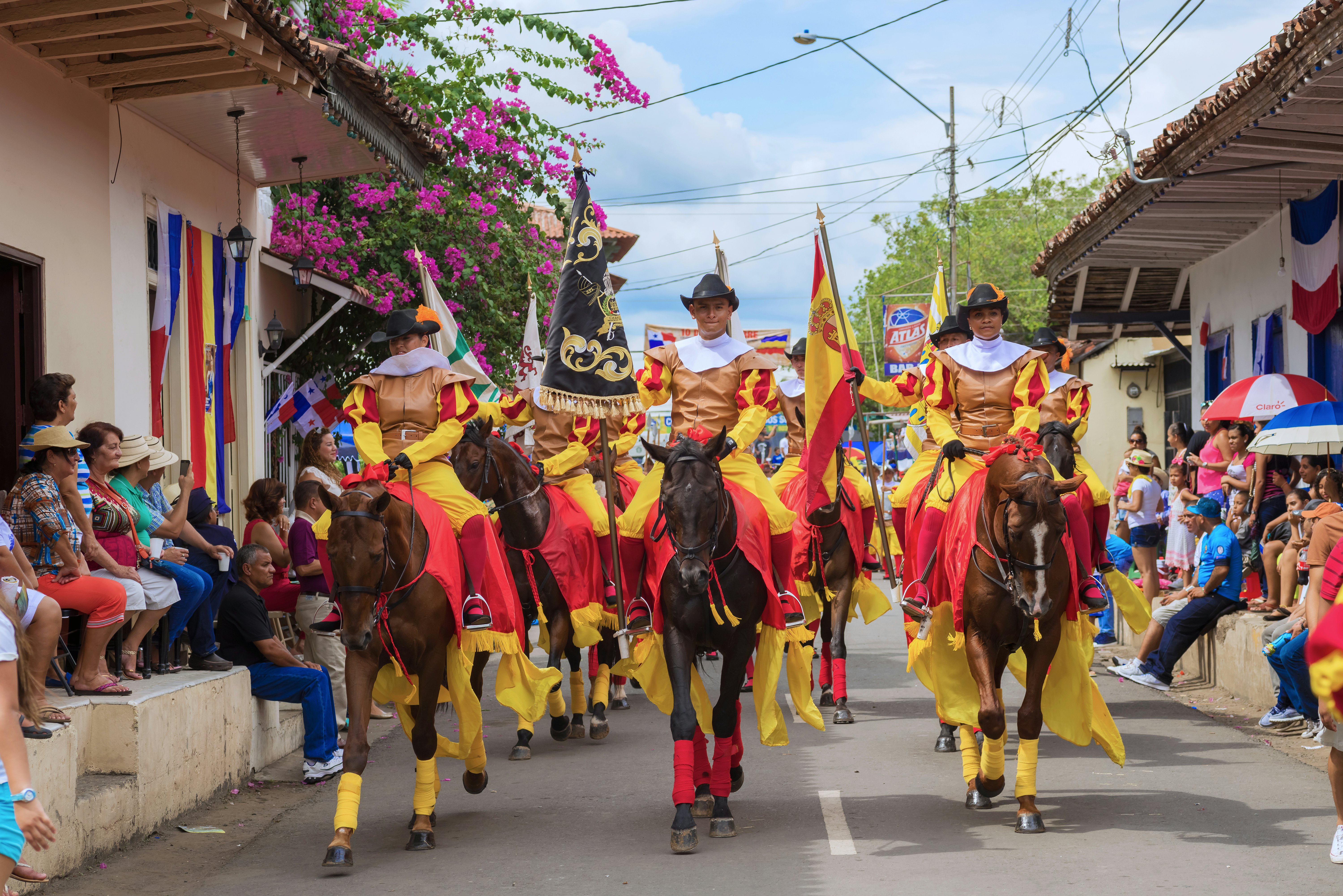
The rainy season is the best time for budget travel and surfing
Weather in Panama in the rainy season: The rainy season from May to the end of November is the quietest and cheapest time to visit Panama, but you’ll definitely get wet. There are regular rain showers, some of them torrential, but it doesn’t rain all day, every day – you’ll still get a daily dose of vitamin D when the sun peeks out.
May: With sporadic, refreshing rain showers, the weather is generally pleasant throughout Panama in May. This is the start of the 5- to 6-month nesting season for loggerhead and green sea turtles on the Caribbean coast, and it's the best time to visit if you'd like to observe turtles in the wild.
June–July: Humidity soars in June and July, and rain showers grow more frequent, with regular thunderstorms. Tourist numbers are low, and so are prices, and the worst rains are still several months away. Locals dressed as devils hit the streets for Corpus Christi, mixing up Catholic traditions with Panamanian customs, and music and dancing light up Santa Catalina as locals celebrate the Fiesta de Virgen del Carmen.
August–September: The rain continues to build, and visitor numbers stay low, except for humpback whales, which arrive in August and September on their annual migration. However, there's a window of drier weather in the Bocas del Toro islands from September to October – expect sunshine, the odd shower, and good underwater visibility for diving.
October–November: In most of Panama, heavy rain continues through to the start of December. Don't expect to get too much done in Panama in November – the whole country takes off to celebrate multiple festivals related to the nation's independence, such as Colón Day on November 5 and the celebrations marking independence from Colombia on November 3, and independence from Spain on November 28.
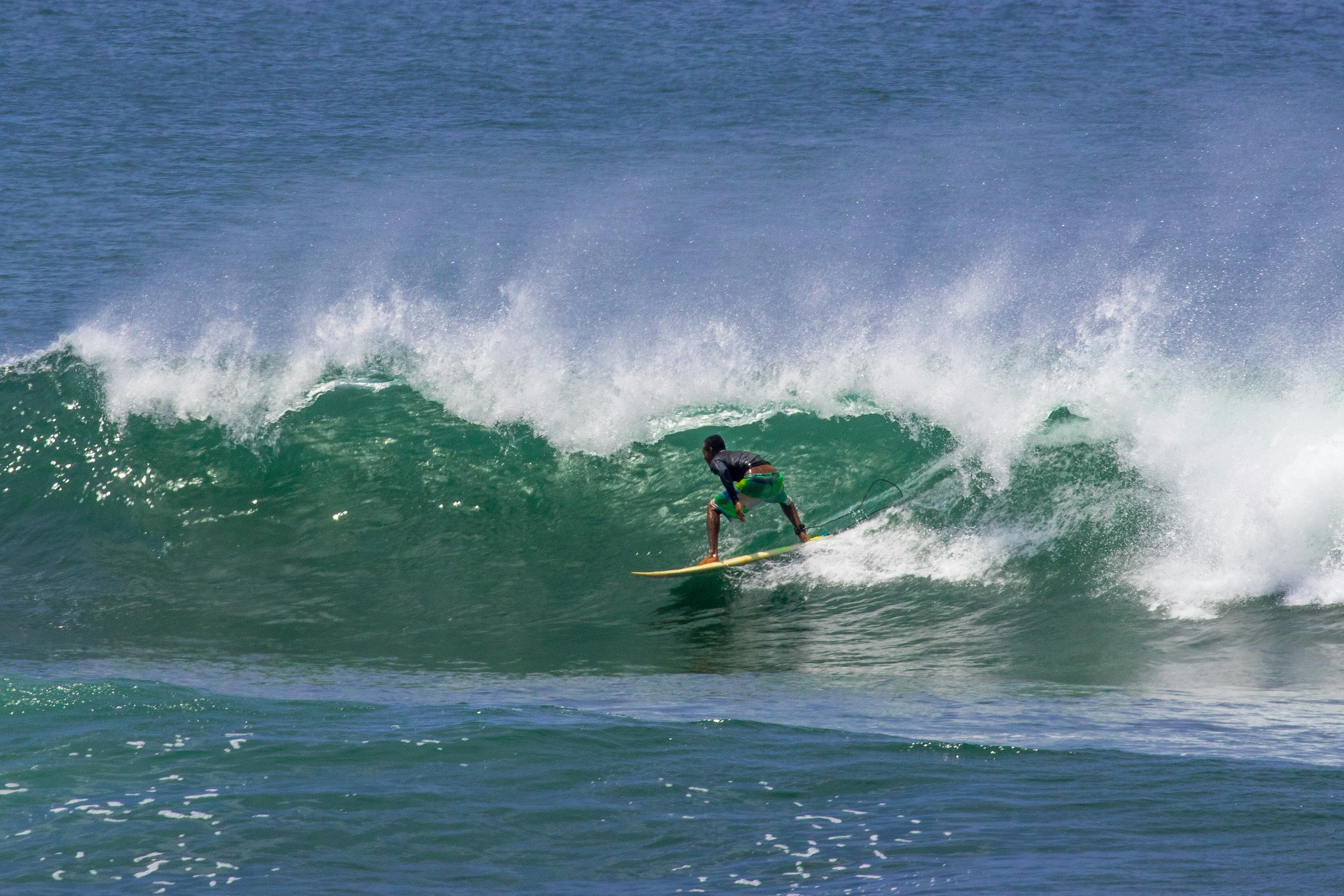
The best rainy season activities in Panama: The rainy season also coincides with the best swells on both the Pacific and Caribbean coasts, attracting plenty of surfers to the breaks around Santa Catalina. August and September are also the prime months to visit Parque Nacional Coiba and the Archipiélago de Las Perlas for sightings of humpback whales, orcas and sharks (whale sharks arrive later in January).
Scuba diving is a year-round activity, including during the rainy season, but land-based activities can be trickier. During the rainiest months, travel can be almost impossible in parts of the highlands, and smart travelers focus on the cities and the coast.
This is a time to travel strategically. In late October and early November, the rain can be unrelenting, so it pays to be based somewhere with plenty of things to do indoors, such as Panama City, Colón or David. On the flip side, crowds dissipate and prices drop to affordable levels across the country.
Bucking the national trend, September and October are the driest months to enjoy beaches and diving in the Bocas del Toro islands. You'll also get the opportunity to enjoy the festival of the sea, Feria Internacional del Mar, celebrated with folk music and a feast of seafood in September.
In October, Panamanians celebrate regional fairs, such as Isla Tigre in San Blas. In Portobelo on the Caribbean Coast, the Festival del Cristo Negro attracts thousands of devout pilgrims from all over the country, who come to pay penance and party.
Advertisement