


Advertisement
When is the best time to visit Patagonia?


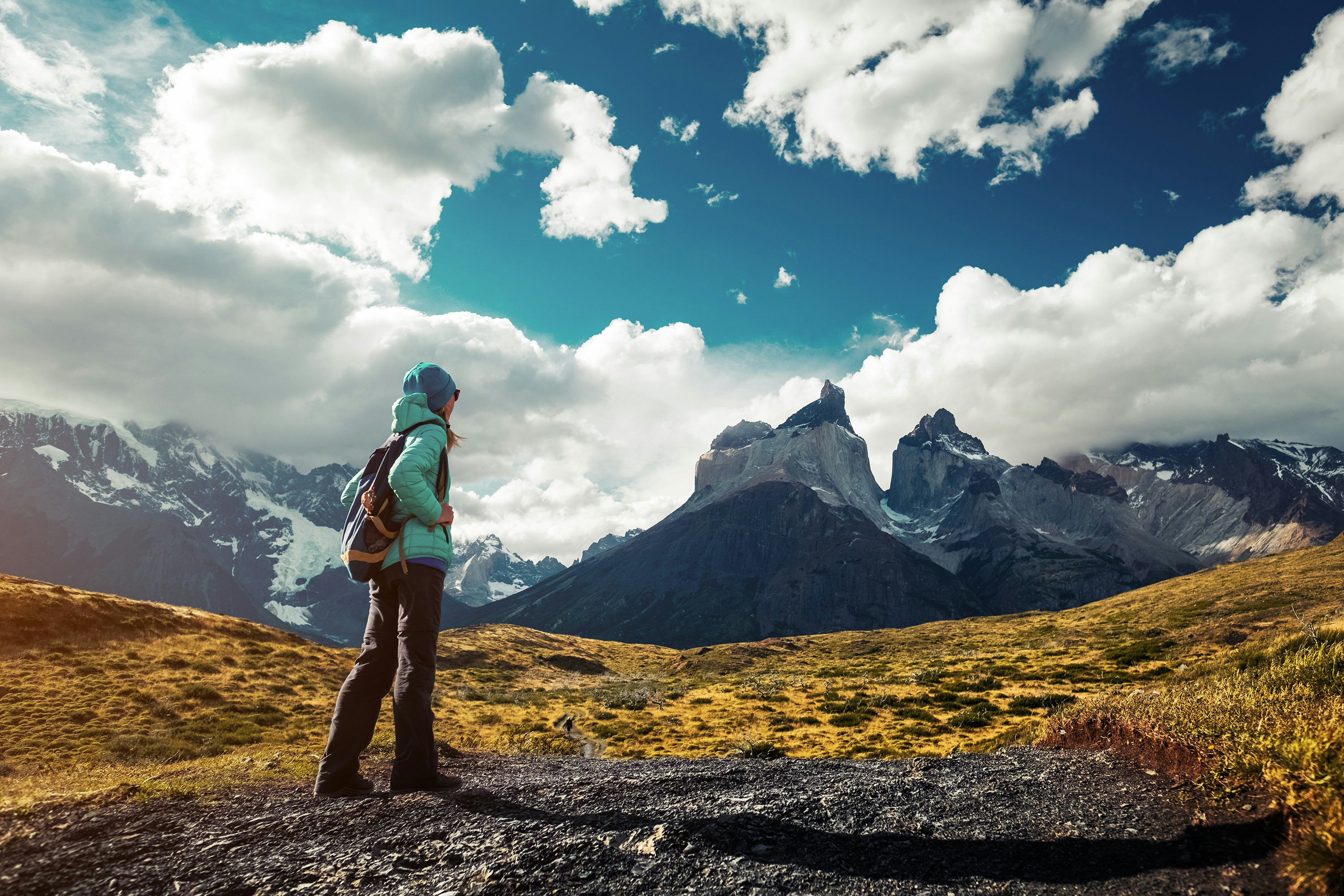
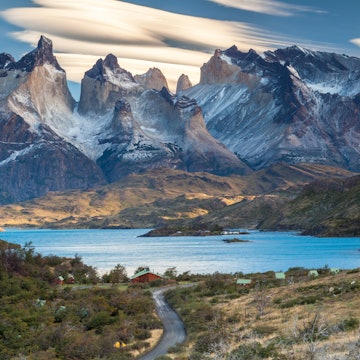
The best time to visit Patagonia will depend on what activities you're keen to try. Westend61/Getty Images
The best time to visit Patagonia depends largely on what you want to do while you're there. With its seemingly endless swathes of pampas grass, towering mountain ranges and glistening glacial rivers, Patagonia is heaven for adventurers who love the great outdoors.
Cutting across a vast slice of southern Chile and Argentina, it is a terrific destination for trekking and horseback riding, whitewater rafting, ice climbing and kayaking past huge blocks of ice in meltwater lakes. However, many outdoor activities are weather-dependent or only possible from late spring to early fall (that's November to March in the southern hemisphere).
Winter (June to September) is the quietest time to visit, with fewer crowds than in Patagonia high season, but it is the best time to hit the ski slopes in nearby Tierra del Fuego.
Whenever you visit, be sure to pack a windbreaker and multiple layers – Patagonian weather is renowned for its unpredictability and you may experience four seasons in one day even at the height of summer. So, when is the best time to go to Patagonia?
Patagonia by season
Summer: best for hiking, whitewater rafting and penguin-spotting
Advertisement
Autumn: best time to visit for crowd-free hiking
Winter: best time for winter sports and snow-shoe trekking
Spring: best time to visit for hiking and photography

Patagonia's different regions
As it is a vast region, the climate does vary in Patagonia between southern Patagonia, ie Ushuaia and Torres del Paine (in Chilean Patagonia); northern Patagonia where you'll find Argentina's Lakes District and the Carretera Austral running through Chile; and Argentina's Atlantic coast with destinations like Península Valdés and Punta Tombo.
Patagonia in summer (December to February)
The weather is at its best during Patagonia's summer. You'll have warm, long days (punctuated by gusts of fierce Patagonian winds) as you hit the hiking trails or Chile's whitewater rapids.
Penguins return to their nesting sites. Summer is the best time to see penguins in Patagonia. If it's Magellanic penguins you’re after, head to Punta Tombo, continental South America's largest nesting ground for these seabirds. Cabo Dos Bahías is Punta Tombo's younger cousin, with its fair share of Magellanic penguins, without the human crowds.
Accommodation prices shoot up by up to 50%, so you'll need to make your travel arrangements months in advance. This is especially true if you have your heart set on trekking in Torres del Paine National Park or for the peak months of January and February that coincide with domestic holidays.
Patagonia in autumn (March to May)
Early fall (March to mid-April) is a gorgeous time to be outdoors as the deciduous trees turn red-gold, and the winds are not as strong as in spring. If you don't mind the cooler temperatures, it's a good time to go hiking without the crowds and take advantage of lower accommodation prices.
Patagonia in winter (May to October)
With the southern mountain ranges carpeted in snow, this is the ideal time to head for Tierra del Fuego's southernmost city, Ushuaia, to hit the slopes at the world's southernmost ski resort. Winter is the best time to ski in Patagonia. Alternatively, you can go skiing in Esquel or even Punta Arenas.
Most attractions, accommodations and restaurants will shut in Chilean and Argentinian Patagonia at this time of year. Travel is logistically tricky, but experienced, self-sufficient, all-season trekkers can still go snow-shoeing in the national parks and trace guanacos (wild cousin of the llama), puma and huemul (endangered deer) by the animal tracks in the snow. This is also a good time to head to Península Valdés, one of Patagonia's most famous wildlife spots for cetaceans, including orcas and southern right whales.
Patagonia in spring (November)
Spring is also a good time to go hiking here and take advantage of shoulder season accommodation prices. However, bear in mind that some trails may still be closed by snow.

When to visit Patagonia: a month-by-month guide
January
Welcome to the peak summer season. January coincides with school and university summer vacation in both Chile and Argentina. Long, warm days (in other words the best time for daylight in Patagonia) and optimal hiking conditions mean that you need to book accommodation several months ahead, particularly in Patagonian hotspots with limited lodgings like Torres del Paine, El Chaltén, and El Calafate.
Advertisement
It's a superb time for whitewater rafting in Futaleufú, experiencing the Terra Australis mountain bike race and sheep-shearing festivals in Villa Tehuelches.
Key events: Festival de Artesanía y Turismo, Puerto Natales; Fiesta Nacional de la Esquila, Villa Tehuelche, Río Mayo; Jineteadas, Puerto Ibáñez; Terra Australis, Punta Arenas
February
This is the height of southern summer, so accommodation prices remain high. However, it's the best month for festivals and outdoor sports events like Tierra del Fuego's biggest barbecue, Cochrane's culture fest or the the biggest rodeo in northern Patagonia at Puerto Ibáñez. There are also bouldering competitions in El Chaltén and whitewater rafting, kayak and cataraft events in Futaleufú.
Key events: Asado de Porvenir; Feria de Cochrane; Festival de Boulder, El Chaltén; Futaleufú XL

March
The icy lakes in the national parks reflect the red-gold foliage of the forests, making March the perfect time of year for photographers to get the best nature shots. Smaller visitor numbers and cooler nights mean it's easier to book accommodation in Torres del Paine National Park and elsewhere. This month is also ideal for visiting Patagonia's biggest outdoor attractions.
Key events: Fiesta Nacional del Trekking, El Chaltén; de Fiesta de Pesca del Salmón, Gobernador Gregore; Encuentro Costumbrista y Tradiciones, Villa La Tapera; Festival Jineteadas, Coraje y Amistad, Cochrane; El Día del Ternero, La Junta
April
There's still plenty of daylight in April, so falling temperatures and low visitor numbers mean increased animal sightings in the national parks. Prices and local visitor numbers briefly shoot up for Easter. Fly fishers in northern Patagonia have the rivers largely to themselves as they make the season's biggest catches before the waters freeze over.
Key events: Semana Santa (can also fall in late March); Fiesta Costumbrista del Salmón, Puerto Chacabuco; Encuentro Provincial de Ceramista, Villa Rada Tilly
May
Winter is on its way, so expect cold, wet weather and the first snowfalls. Towns with ski resorts like Ushuaia and Esquel begin buzzing with activity in anticipation of the winter season. There are still daily bus services to Torres del Paine National Park (with the mountains particularly lovely with a dusting of snow), and the Perito Moreno glacier is crowd-free (though with less iceberg calving due to the cold weather).
Key events: Semana Aniversario, Puerto Natales; Semana Aniversario, Caleta Tortel

June
Temperatures drop, snowfall continues, and towns in Patagonia celebrate the longest night of the year with music events and fireworks. In Ushuaia, there are Nordic ski processions as well. Much of Patagonia is quiet, but ski resorts come to life as skiers and snowboarders head for the slopes in Ushuaia, Esquel, Punta Arenas and Río Turbio.
Key events: Fiesta de la Noche Más Larga, Ushuaia & Punta Arenas; Semana de la Fauna Marina, Puerto Madryn
July
One of the best months for skiing, July has reliable snowfall. If whizzing down glaciers and mountain slopes is not your thing, you can take part in Ushuaia's Nordic ski and biathlon events. Escape the cold by checking out folkloric music performances in Punta Arenas, or partake in high tea in Trelew's celebration of its Welsh roots.
Key events: Festival de Esquí de Fondo & Biathlon, Ushuaia; Festival Folklórico, Punta Arenas; Fiesta de la Nieve, Puerto Williams; Fiesta del Hielo, El Calafate; Fiesta Galesa de Desembarco, Trelew
August
Temperatures remain firmly low. Luckily, so do Patagonia's winds, making skiing a pleasure. Take part in Ushuaia's annual "white walk" (Nordic ski races), join Esquel's torchlit ski procession, or go husky sledding in Ushuaia's Valle de Lobos. The whale-watching season also kicks off in Argentina at Península Valdés.
Key events: Marchablanca, Ushuaia; Fiesta Nacional del Esquí, Esquel; Fiesta del Hielo, El Calafate
September
Patagonia is shaking off winter's grip, and the days are getting longer and milder. It's your last chance to hit the slopes at the Ski Festival in Esquel. The other option is to remain in the warmth and attend cultural festivals all over Patagonia, including Welsh singing and poetry in Trelew. Wildlife enthusiasts should head for Península Valdés to spot seal pups and southern right whales.
Key events: Fiesta Nacional del Esquí, Esquel; Eisteddfod, Gaiman; Fiesta de las Colectividades, Comodoro Rivadavia; Festival Folclore y Domaduras, Chile Chico; Aniversario Villa O'Higgins, Villa O’Higgins

October
Spring is in the air, wildflowers are everywhere, and hikers in the know are wearing multiple layers for the beginning of trekking season. Fierce gusts of wind aside, the trails are wonderfully crowd-free. Fly-fishing season kicks off towards the end of October in remote fishing lodges off Chile's Carretera Austral. Southern right whale sightings are pretty guaranteed off Península Valdés.
Key events: Aniversario de Coyhaique, Coyhaique; Fiesta de la Ranchera Criolla, Puerto Ibañez; Festival Internacional de Cine Ambiental de la Patagonia, Puerto Madryn; Eisteddfod, Trelew; Día Nacional de la Patagonia, Comodoro Rivadavia; Maratón de las Tres Ciudades, Trelew, Gaiman & Rawson
November
The days are longer and warmer, so most attractions and hotels in southern Patagonia have reopened, but the national parks remain crowd-free. If you don't mind the cooler temperatures, November is one of the best months for hiking. The first of the season's jineteadas – traditional gaucho sports in which the gaucho attempts to ride an untamed horse – kick off in smaller Patagonian towns.
Key events: Festival Nacional Austral de Folklore, Pico Truncado; Jineteadas, Mañihuales; Festival de la Voz del Ciprés, Melinka; Encuentro Cultural Regional Indigena, Villa O’Higgins
December
December boasts the longest daylight hours of the year and generally warm, balmy days – tourist season is in full swing. You'll still need warm gear if camping, as the temperature at night can drop below freezing. For wildlife lovers, this is an excellent time to visit penguin colonies such as Punta Tombo and Isla Magdalena, since chicks start hatching in early summer.
Key events: Jineteadas – Cochrane, Cerro Castillo, Villa O’Higgins; Navidad
Tips for crossing the Argentina/Chile border on a hike
From El Chaltén, there's the option to trek into Chile for those with the stamina and persistence to hike the southern part of the ice field, starting at the south shore of Lago del Desierto, 33km northeast of El Chaltén, and ending in Candelario Mancilla on the Chilean side, where you can take a ferry to Puerto Bahamondes. From there you can catch the bus to Villa O'Higgins, the last stop on Chile's Carretera Austral.
The trip takes one to three days – depending on if you choose to take a boat or walk certain stretches – and can be done between November and March when the border is open. You need to bring all provisions, your passport, Chilean currency and rain gear. For more information visit the tourism office in El Chaltén.
If you only do one thing in Patagonia
Head to El Calafate to visit Patagonia’s top attraction, the irresistible Perito Moreno Glacier in Parque Nacional Los Glaciares. Take a tour or drive yourself; either way, you’ll be astonished by this massive block of ice advancing at 2m a day, with chunks of it dropping off and crashing into the milky gray-blue Lago Argentino. Then continue to El Chaltén and spend a couple of days exploring the numerous trails, using the town as your base. There’s everything from easy day walks to longer multi-day climbing expeditions.
Advertisement
Explore related stories



Feb 5, 20258 min read
How to get your cell phone connected in Chile: eSIMs, wi-fi and mobile networks
