Advertisement

Cairo Tower on the Nile. Egyptian Studio/Shutterstock
Like the flowing waters of the Nile, Cairo never stops, and neither do the nearly 23 million people tirelessly navigating their days, constantly in motion. Despite this unstoppable momentum, getting around in town is surprisingly straightforward, although travelers will share one common antagonist with locals: traffic jams.
Yes, crossing the city by car can be a stressful challenge, but the Metro system is efficient, and if you decide to walk, mastering the art of crossing streets comes quickly, with a bit of practice — just like negotiating a price. Here's our guide to finding your way through Cairo.
Advertisement

Use the Metro and a microbus to get to Giza
If traffic jams aren't your thing, rely on the Cairo Metro. Train cars can get crowded, too, and as in rush hours worldwide, people continually jostle for space. Keep in mind that there's a designated central car specifically for women.
To get to the Pyramids of Giza, pack your hat and sunscreen and head south. From the Sadat Metro stop at Midan Tahrir, the location of the Egyptian Museum, follow the signs for Line 2 toward El Mounib, and brace yourself for an authentic Cairo experience. The six stops to Giza will cost 6 Egyptian pounds (LE). For the final stretch, board a shared microbus (several vehicles will be waiting at the Metro station, costing LE5–10 and taking around 20 minutes). Be prepared to wait until all seats are comfortably filled and to be packed in with locals and travelers carrying all sort of items. The bus will drop you near the ticket office. Don't be misled by individuals claiming closures or reserved areas for specific groups — they're likely touts.
Tips for visiting Giza: Upon entering the area for a self-guided visit, skillfully maneuver past camel and horseback-ride sellers with the finesse of a World Cup player and relish the mesmerizing views solo, perhaps from the top of the small sand hills that overlook Menkaure’s tomb. While hiking up there might require more effort than being transported, travelers are usually rewarded with some peaceful moments in front of one of the world’s ancient wonders.

Advertisement
Agree on a fare before riding in a taxi, or take a rideshare
It's true that being trapped in a taxi in Cairo might make you wish you never left your hometown. The golden rule: avoid peak hours (8–9am, 6–7pm) and always negotiate the price before beginning the ride to ensure that there no surprises upon arrival (metered taxis aren’t common). Ride by ride you’ll sharpen your skills and establish your own fare standards.
While driving through Cairo, witness the city's chaos and contrasts firsthand, comfortably seated and most likely accompanied by the timeless music of Umm Kulthum, the Egyptian diva. For a 30-minute journey from Downtown to the Khan Al Khalili market, consider budgeting around LE100, but taxi fares might vary between LE50–150 at times.
Opting to call a driver if you're spending the evening at a restaurant or cafe can be the fastest way to return to your hotel at night. Getting a rideshare like Uber in Cairo happens quite quickly, especially in Zamalek – depart one of its thousand bars and you’ll wait less than 5 minutes for a ride. If cash payments suit you better, consider downloading Careem. Going to Downtown Cairo from the area will cost you around LE50–60.
Tip for taxi rides: Knowing numbers in Arabic can be helpful to identify the car you've booked. Here they are: ٠ (0), ١ (1), ٢ (2), ٣ (3), ٤ (4), ٥ (5), ٦ (6), ٧ (7), ٨ (8), ٩ (9). Typically, car plates consist of three or four numbers followed by three letters.
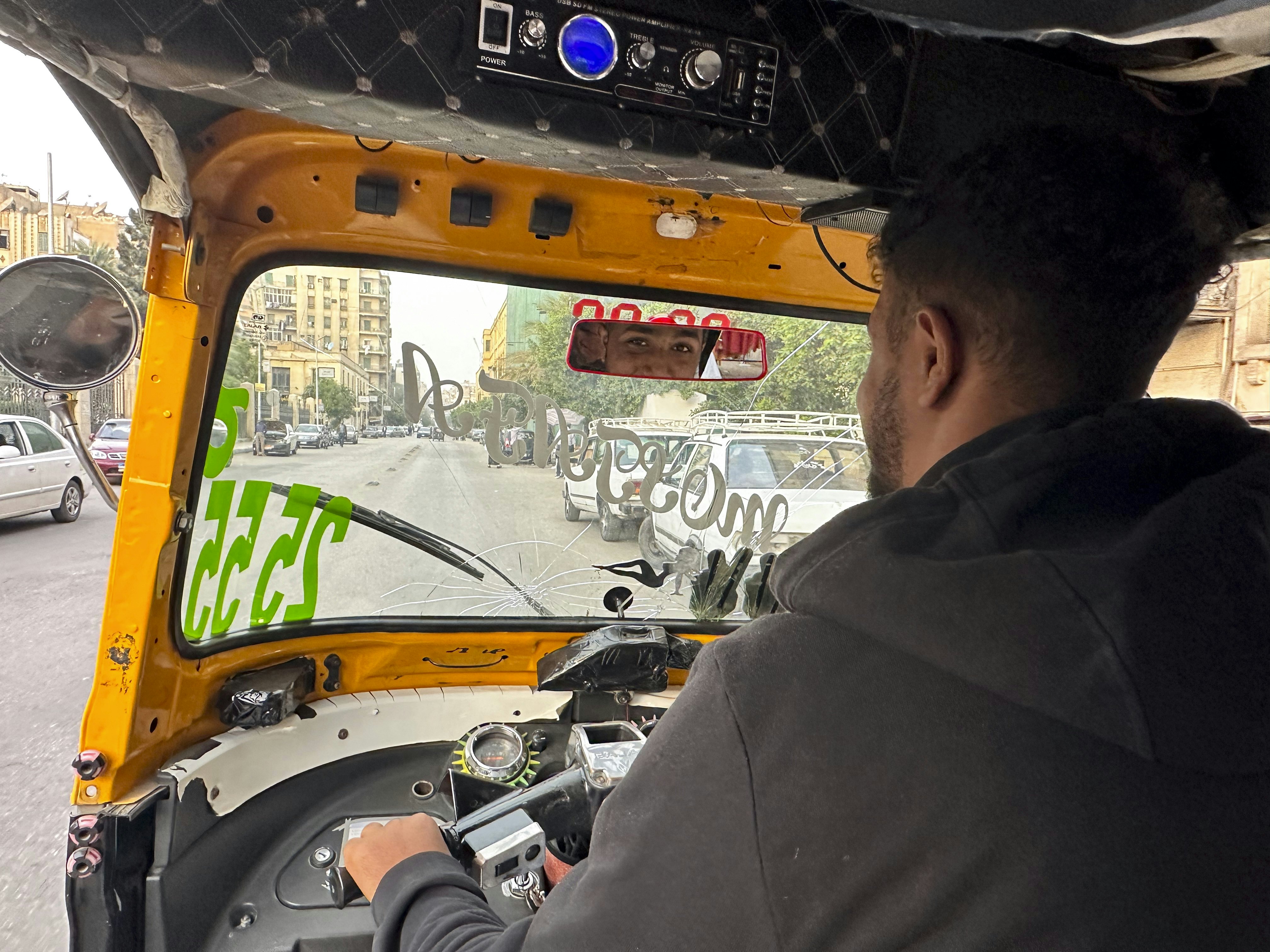
Tuk-tuks are a speedy budget option
Recently relegated to secondary roads by the government, tuk-tuks remain a budget-friendly option for navigating particular neighborhoods. Although they appear to require more than just technical maintenance, and occasionally they're helmed by surprisingly young individuals who might otherwise be in school, these noisy Bangkok-style vehicles are both quick and fun (for a 10-minute ride, you’ll pay about LE5–25). If visiting the Citadel tops your list of must-see places in Cairo, taking a tuk-tuk will lead you through some of the city's most charming neighborhoods along the way.
There are no route maps for the citywide bus network
A widespread network of older, door-open vehicles reaches literally every corner of the city. Expect crowded buses where you often have to stand, but these rides provide a fantastic opportunity to interact with locals and immerse yourself in their renowned friendliness. Unfortunately, no route maps are available
For a taste of the thrill, consider taking bus 111 from Ramses Station to the airport (1 hour). Or simply hop on a random bus and enjoy the ride for a few stops. Tickets (up to LE10) can be purchased from the seller on board or directly from the driver.
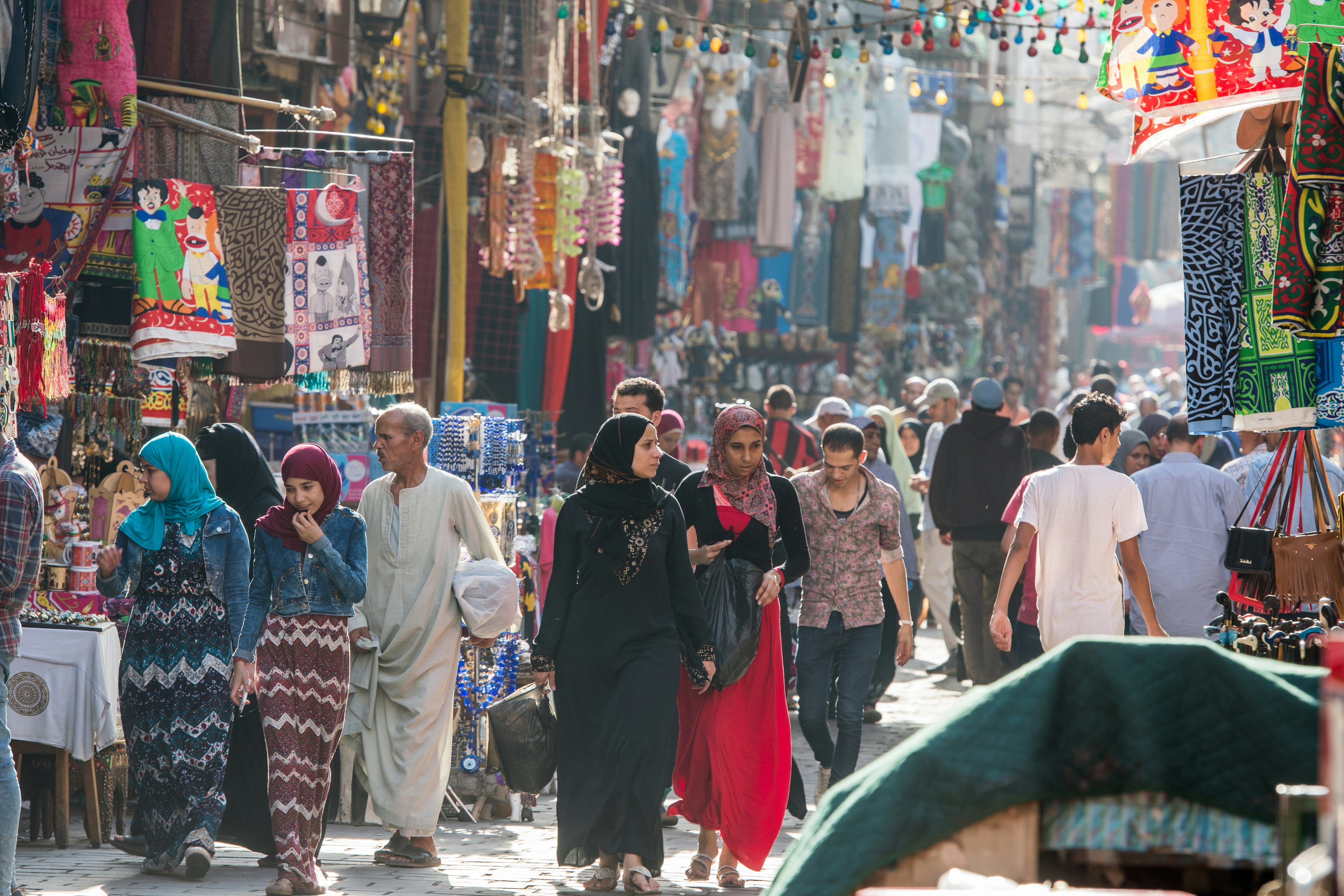
Cycle and walk to get around Cairo's neighborhoods
Orange shared bikes are becoming increasingly popular in Cairo, with 250 bikes docked in 25 stations across the city. To use them, start by downloading the Cairo Bike app. It costs LE2 to start a ride, then LE5 every 45 minutes. Departing from Midan Tahrir, you can reach Zamalek in 10 minutes, take a leisurely tour of the island (approximately 1 hour), then head toward Midan Taalat Harb. This area is great for exploring on foot, too, thanks to its wide sidewalks and grand boulevards; you’ll find good shops, restaurants and cafes.
Tip for walking in Cairo: Be prepared for large crowds and the occasional challenge of crossing streets without traffic lights. Imitate locals and be brave, or you’ll be stuck forever.
Cruise the river on a water taxi
Escape Cairo's traffic and enjoy a picturesque journey with NileTaxi — an ideal alternative for moving around the city while cruising the legendary river. Convenient stops line the riverbanks, and the route extends to Maadi, in the city's south (fares are LE50–100).
Accessible travel in Cairo
Travelers with mobility issues might face challenges in Cairo, where architectural barriers are everywhere. There is a complete absence of curb ramps, and pavements might conceal holes or remnants from construction. Moving about Cairo without a wheelchair taxi is nearly impossible, save for a few exceptions like the grand Al Azhar Park, which offers accessible pathways in a beautifully green environment. In Giza, while sidewalks aren't highly accessible, the primary connecting roadway between attractions is new and relatively uncongested. Use that one.
If Cairo’s urban planning fails to assist travelers with disabilities, assistance from incredibly kind locals will always be readily available. Additionally, travel agencies offer specially curated tours and accessible excursions across Egypt, tailored to accommodate individuals with disabilities.
Advertisement