Advertisement

Rental swan boats at Shinobazu Pond during cherry blossom season in Tokyo. Rintaro Kanemoto for Lonely Planet
When you book your springtime trip to Japan, you almost certainly won’t know exactly which sakura (cherry blossom) spots will be blooming when you visit. Instead, we recommend building in flexibility for your hanami (cherry blossom viewing) plans; use the excellent regional rail pass below; and stay in the perfect base city in northern Japan. We asked our resident Japan train expert and sakura enthusiast, John Walton, to spill his secrets on how to plan the perfect sakura trip in Japan.
Every year, the cherry blossom season starts at a slightly different time. This year, the first forecast from the Japan Meteorological Corporation predicts a start in late March around Tokyo, with peaks lasting through late April into Hokkaido, and with dates also affected by altitude and regional climates.
Advertisement
Once open, sakura blossoms tend to last for about two weeks, eventually falling gently in the wind, in one of the most quintessential Japanese cultural aesthetics. Sakura forecast updates are released throughout the spring, but with the vagaries of weather and our changing climate, the final dates can be wildly different to previous years.
So use the geography of northern Japan, its sequential sakura seasons, and its off-the-beaten-track spots to your advantage. Base yourself in the lovely city of Sendai – a key railway hub – and use the JR East Pass Tohoku area version to leisurely explore northern Japan’s most beautiful sakura spots as they flower.

How to use the JR East Pass (Tohoku area) for cherry blossom viewing
The 5-day pass for the Tohoku area of JR East is ¥30,000 (about US$190) – a good value compared with the nationwide Japan Rail Pass, which now costs ¥50,000 for 7 days. It covers a great part of northern Japan, including the entirety of the Tohoku Shinkansen as far north as Shin-Aomori, plus the Akita and Yamagata mini-Shinkansen lines that branch off from the mainline at Morioka and Fukushima, respectively.
Thanks to the Shinkansen, you can cover the entire distance between Tokyo and Shin-Aomori and back in just over three hours, on Japan’s fastest bullet train with incredible views as you glide up and down the country at 320 km/h (200 mph). The pass will pay for itself if you only travel from Tokyo to Shin-Aomori and back on the Shinkansen.
Note: The Tohoku area pass is just one of the passes offered by JR East – if you want to head even further north to Hokkaido there’s an option for that too.

Advertisement
The best place to stay is in super-convenient Sendai
You’ll fall in love with friendly Sendai, the biggest city in northern Japan and one of its most charming. Sendai is sizeable enough to have everything you might want or need, but compact enough that it’s easy to get pretty much everywhere.
Sendai’s railway station is surrounded by hotels for every budget, from “business hotels” that are cheap, cheerful and typically Japanese (a great option is the Toyoko Inn just south of the station: ask for views over the Shinkansen line if you like trains!) to international hotels chain like the Westin.
For comfort and value, try the railway-owned Hotel Metropolitan Sendai East (note the “East” there: the older main Hotel Metropolitan is on the west side of the station), situated right on top of a variety of excellent dining options in the station shopping centre.
Now select your sakura spots from north to south Tohoku
With the Shinkansen most of these incredible sakura spots are within three hours from Sendai, often on just one train!

Hirosaki
Hirosaki in Aomori prefecture (3 hours north of Sendai) has some of Japan’s most incredible sakura, mainly clustered around its historic castle. Don’t miss the ones around the moats. Connect to local trains via Shin-Aomori.
Kakunodate
Kakunodate in Akita prefecture (2 hours north of Sendai) is renowned for its unique samurai house district (which you can visit) with enormous weeping sakura along the famous samurai street and the sweeping river walk, plus a small festival during peak times with delicious street eats. The kabazaiku cherry bark woodcraft that you can find throughout town, but especially at the cultural center, is a stunning souvenir.
Kitakami
Kitakami’s sakura (50 minutes south of Sendai) line the lovely river just to the east of the station, with an excellent viewing point from the bridge you cross to get there. Kitakami is one of the intermediate stops on the Tohoku Shinkansen north of Sendai.

Matsushima
Matsushima is easy to get to by local train (40 minutes east of Sendai), and the bay of tiny limestone islands is one of the famous Three Views of Japan. Spend an hour on one of the tourist boats that leave hourly from the town’s docks, and don’t miss the incredible temples and gardens at Zuigan-ji and Entsu-in, both of which have sakura.
Sendai
Sendai itself has sakura too: Tsutsujigaoka Park (note this is the one in Miyagi prefecture not Gunma prefecture!) is super easy to get to and is one of the main local spots.
Fukushima
Fukushima (25 minutes south of Sendai) offers Hanamiyama Park in the hills to the southeast of this friendly city, with blossoms spreading up the hillsides. A bus runs from Fukushima station (on the Tohoku and Yamagata Shinkansen lines) during peak season and is clearly signed.
Aizu-Wakamatsu
Aizu-Wakamatsu (3.5 hours southwest of Sendai) is in the central mountains of Tohoku, and its most famous sakura trees are at the historic Tsuruga Castle, now rebuilt as a concrete replica with excellent museum and wonderful views.
Kitakata
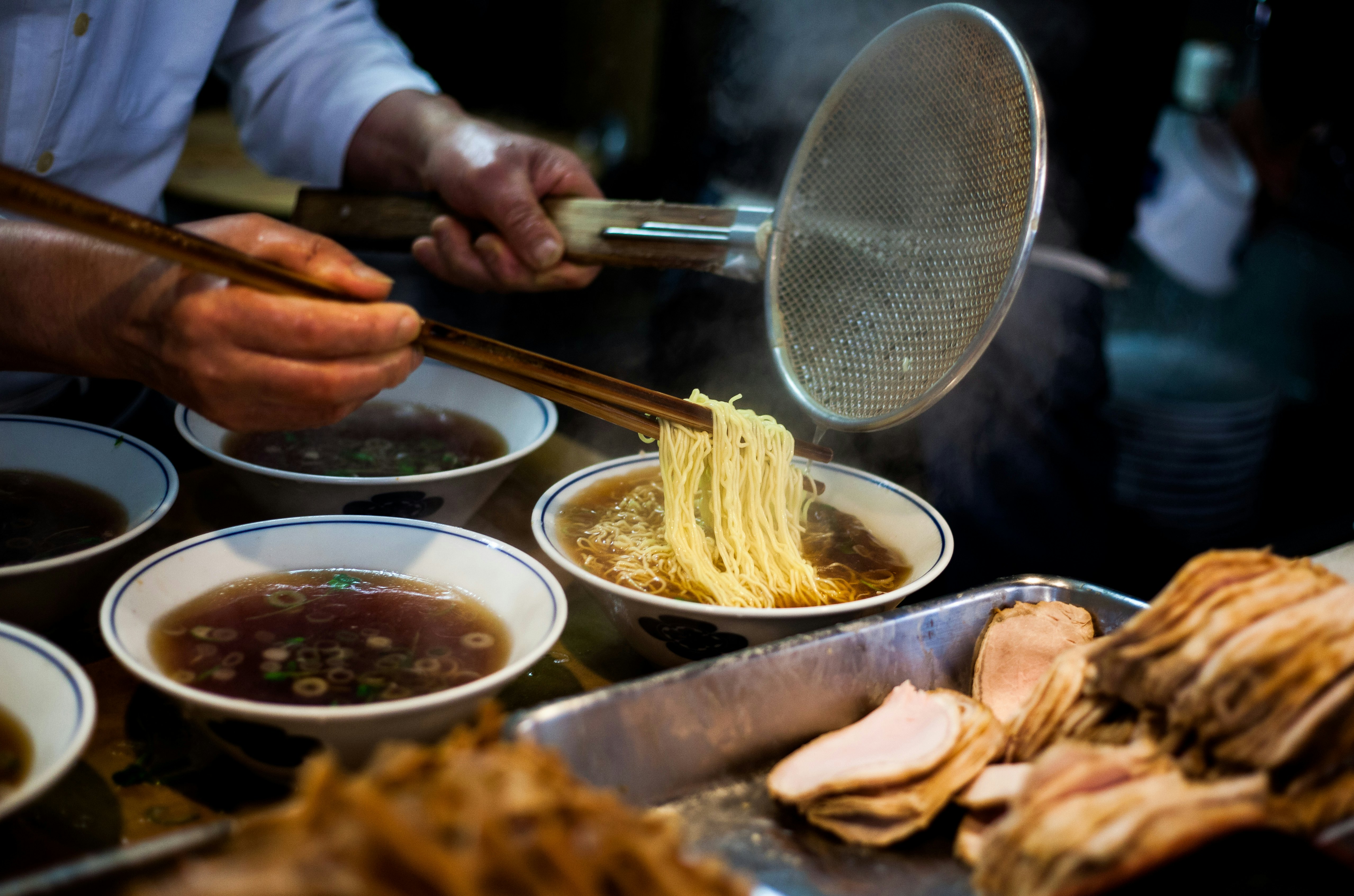
Kitakata is just to the north of Aizu-Wakamatsu (4 hours south of Sendai) and is famous for its must-try ramen shops, which you can sample on your way to and from the thousand sakura trees on the walking and cycling track that follows the disused Nicchu (aka Nitchu) railway line. Take the local train from Fukushima station on the Tohoku Shinkansen to to Aizu-Wakamatsu and change for the even more local train to Kitakata.
Advertisement