Advertisement
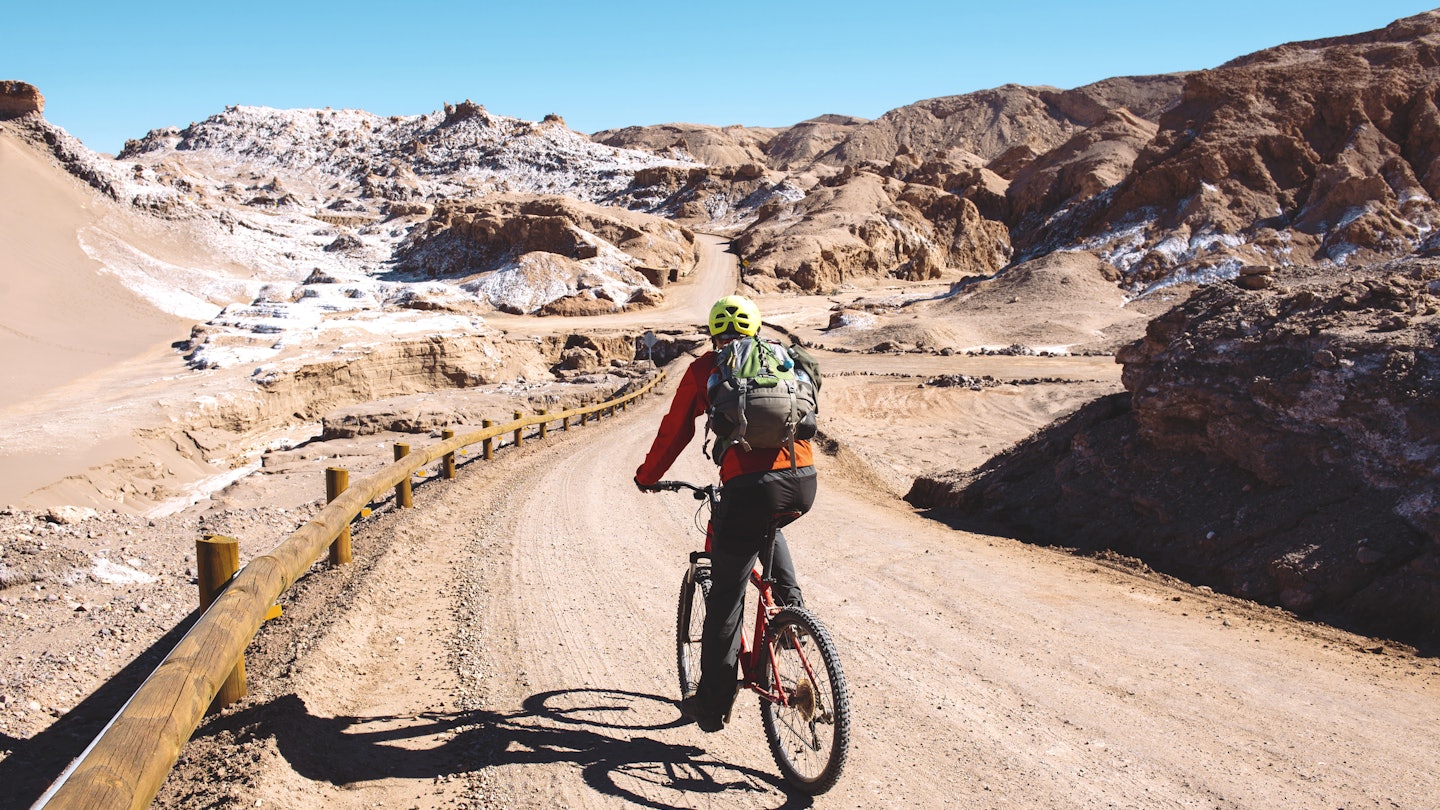
Chile's Atacama Desert. Westend61/Getty Images
I remember the day back in 2014 when I’d just settled into my new apartment in Santiago and a powerful earthquake rattled the walls. I leaped up from my couch and ran for the door, while all the Chileans in the room just sat still and laughed at me, confident in Chile’s strong building codes and unfazed by the regular tremors.
A few days later, I learned that even the simple act of buying an empanada could involve navigating three separate lines. As those first weeks in Chile passed, my dinnertime moved from 7pm to 8pm, eventually landing where it stands today, at around 9pm.
In many ways, Chile is an accessible and familiar destination for many travelers. Yet there are customs, protocols and safety issues that you’ll want to keep in mind during your visit. From cheek kissing to tipping etiquette, here are some insider tips on language, money, packing and, yes, earthquakes and safety, too, to help you make the most of your Chilean dream trip.
Advertisement
1. Learn some basic Spanish before arriving
Chileans have a reputation for being shyer than most other Latin Americans and typically won’t talk to strangers unless asked a question. Learning a bit of basic Spanish can go a long way toward breaking down barriers and getting to know the locals when you visit.
It’s also a bit of a necessity – outside of the major hotels and the business district in Santiago, you’re unlikely to find many English speakers when traveling around the country, particularly in rural areas. That said, Chileans will try their hardest to understand and help out as best they can, even if there's a language barrier.
2. Prepare for the region and season
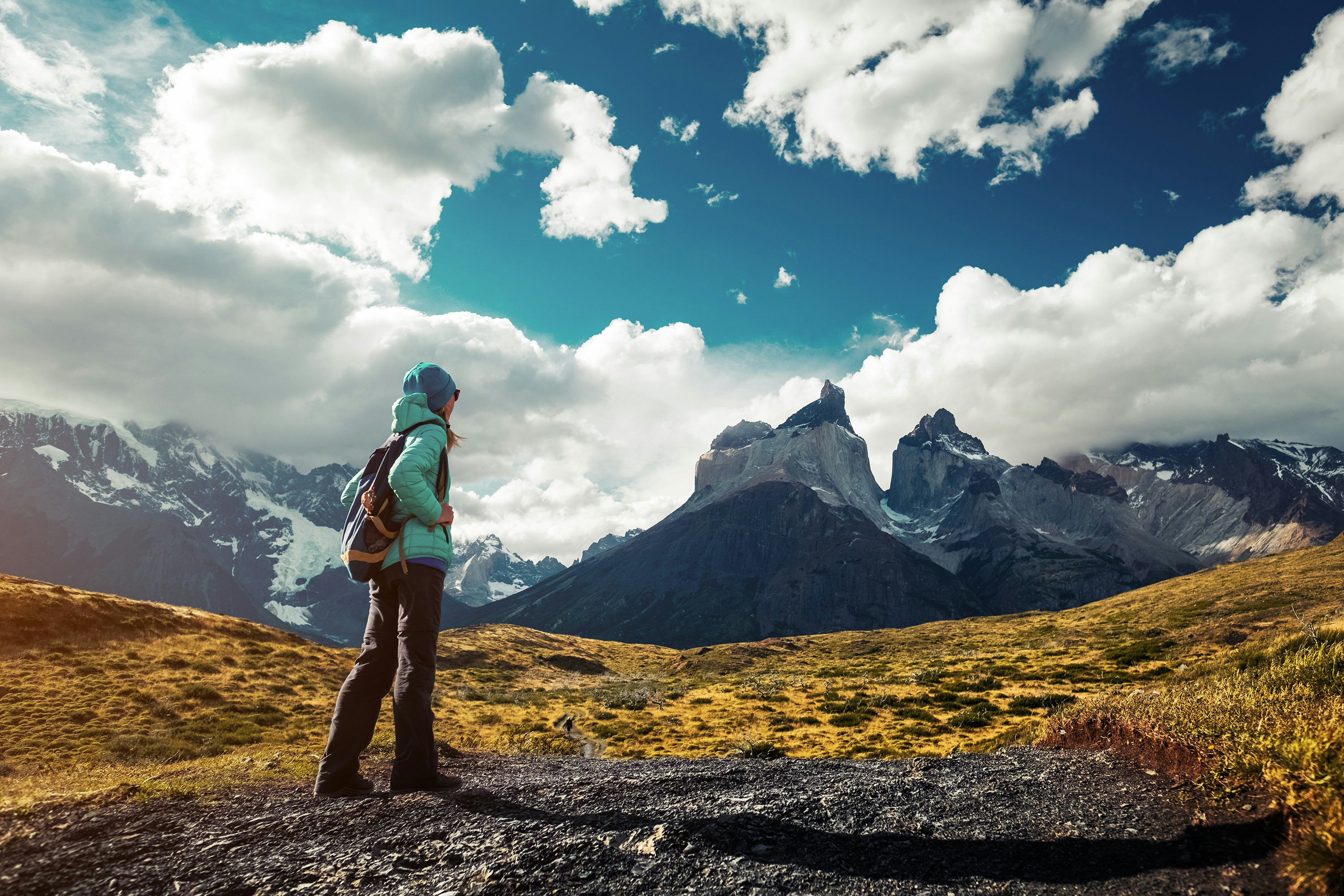
Chile transitions through several climates along its 4300km border. The central region is like the Mediterranean, with cool winters and hot summers (ideal for growing grapes). Patagonia, by contrast, has an oceanic climate, with high rainfall, low temperatures and prevailing westerly winds. And the northern Atacama Desert is one of the sunniest, driest places in the world.
The summer months between December and February bring lovely weather to most of Chile, averaging 25–30°C (77–86°F). In September, October and November (spring), highs rise to 18–25°C (64–77°F), and March, April and May see temperatures descending in the other direction. Beginning in May, expect some rain across the north and temperatures to lower slightly. June, July and August (winter) are generally chilly but not freezing, with average highs around 15°C (59°F).
3. Pack layers for cool evenings
It doesn’t matter if you’re staying by the coast, up in the Andes, down in Patagonia or out in the Atacama Desert, temperatures across Chile drop considerably at sundown, making layers a necessity at any time of the year. Even in the Central Valley and Santiago, a blazingly hot day can transform into a cool evening before you know it. Always pack an extra layer when going out for a full day.
4. Download WhatsApp for easy communications
It’s not uncommon to have to wait several days for a response if you send an email to a business in Chile. If you want to book a tour or make a hotel or restaurant reservation, communicating via WhatsApp is always the best way to go; you may get a response in just minutes.

5. Get ready to eat later
Chileans are not big fans of early mornings, and most locals consume lunch between 1:30pm and 3:30pm. Dinner won’t begin until after 8pm and can be as late as 10pm. If you can’t stand the thought of eating dinner that late, try Chile’s fourth meal – an afternoon tea, typically consisting of bread, cheese, meat, eggs, mashed avocado and something sweet. It's known locally as la once (pronounced "on-say").
6. Embrace the sobremesa
When dining out with Chileans, it’s considered rude to leave straight after finishing your meal. Instead, it’s common to linger over the table chatting, perhaps while drinking a bajativo (digestif) such as Bitter Araucano to wash down the food.
Advertisement
Waitstaff at restaurants are well used to this habit of sobremesa (literally "upon the table") and will never try to rush you out after your meal. If you’re dining in someone’s home, even getting up to help clear the table of dishes after a meal could be considered impolite. Stick around and enjoy the conversation; these long, lazy meals are one of the best parts of Chilean culture.
7. Expect to queue
Why stand in line once when you can do it several times? In Chile, it’s not uncommon to place an order in one queue, pay in another and collect your order in a third. At a supermarket, you will be expected to queue up to weigh your bread, fruit and vegetables in separate lines before taking your items to the checkout to pay.

8. Keep small bills handy
Chile’s many ATMs are the easiest and most convenient way to get Chilean pesos (CH$). If paying for items in cash, always keep small bills on hand; many vendors will not be able to break a CH$20,000 note. Get into the habit of breaking large denomination bills into smaller change when you can.
9. Learn to pay sin cuotas but con propina
Credit cards are widely accepted across Chile, thanks in part, to a system of paying in cuotas (installments) for just about anything. Cashiers will always ask if you want to pay in cuotas, but when using a foreign bank card, you should always say no – "sin cuotas, por favor."
At restaurants, waitstaff will ask if you would like to include a standard 10% tip, which is generally expected regardless of the quality of the service. Unless something went terribly wrong, it’s polite to say con propina (with gratuity) when you request the bill.
10. Get accustomed to costs in Chile
Chile has the highest per person income in South America, so it’s no surprise that it’s one of the continent’s most expensive countries to visit. If you’ve hopped over from Peru or Bolivia, you’re in for a shock. The good news is that Chilean wine is very reasonably priced, so take advantage of the bounty on the supermarket shelves. Typical costs:
Night in a hostel dorm: CH$12,600
Night at a top-end hotel: CH$210,000
Subway fare: CH$770–850
Museum admission: CH$8000
Parque Nacional Torres del Paine 2-day entry: CH$31,200

11. Learn how to greet Chileans
Chileans are known for their warm greetings. It’s typical for women to greet other women, or men, with one kiss (right cheek to right cheek). Men will greet women the same way and offer a handshake to other men – perhaps followed by a hug if you’ve become close.
Goodbyes are similarly enthusiastic. It’s not uncommon for someone who enters a social setting to greet everyone individually and then say goodbye to everyone individually when they leave.
12. Lower your voice
On the whole, Chileans are quiet and respectful people who prefer to avoid sticking out in a crowd. Loud-speaking tourists will immediately call attention to themselves, often in a negative way. Speaking loudly in a foreign language on the streets of somewhere like downtown Santiago can also be a good way to alert pickpockets of a potential target.
13. Check for protests (and avoid them)
Protests are frequent in Chilean cities, and while these are typically peaceful, they can shut down roads and public transportation. Visitors should steer clear, as demonstrations can turn violent with little warning. In Santiago, water cannons and tear gas are often used to disperse crowds, particularly on dates commemorating politically charged historical events such as March 29, September 11 and October 18.
14. Know which areas of Chile to avoid
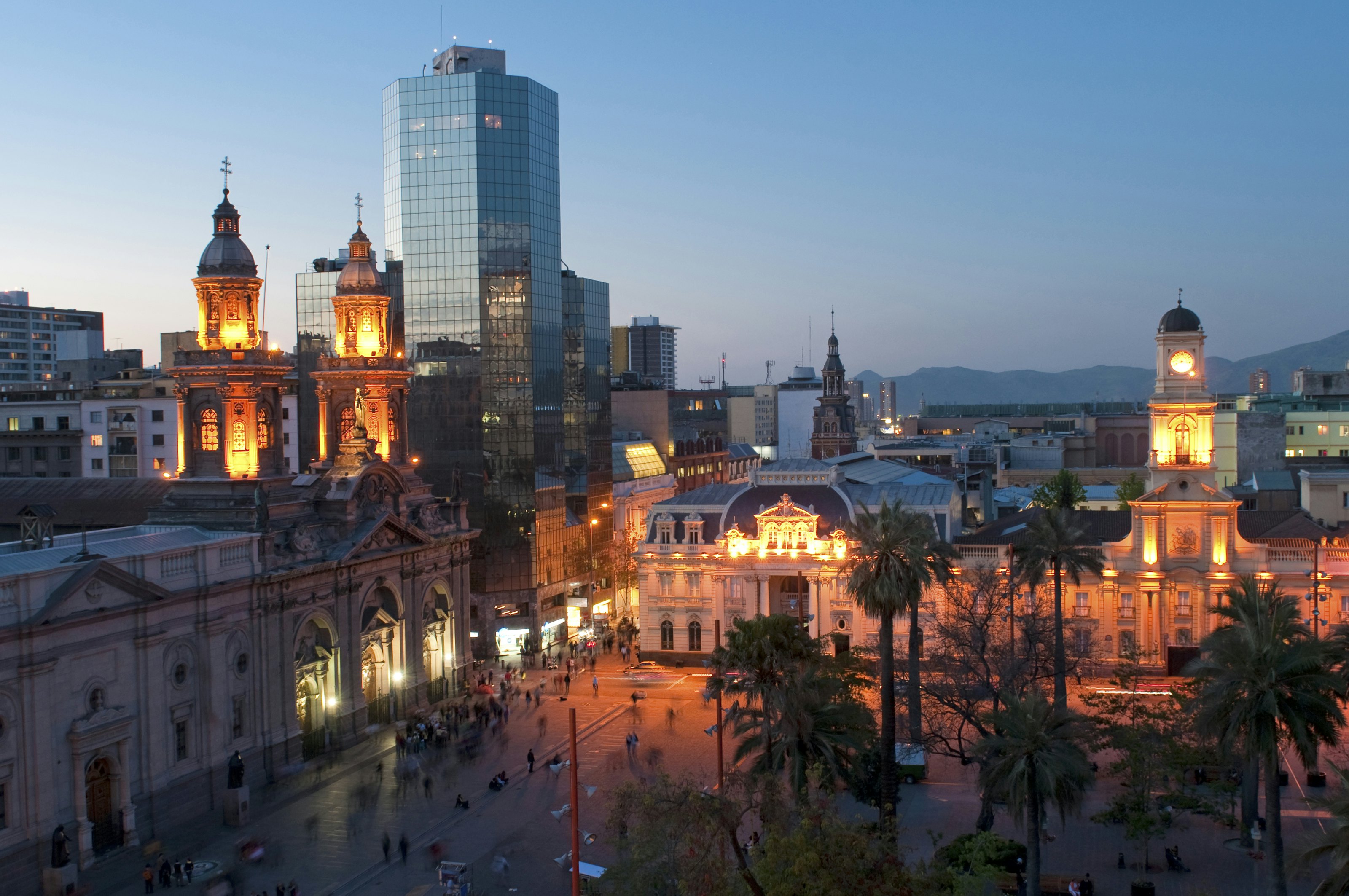
Chile is one of the safest countries in the Americas, according to the Global Peace Index. There is, however, one area in the southern part of central Chile that you may want to avoid due to an ongoing conflict between Indigenous Mapuche land-rights activists and the Chilean state.
While forestry corporations and landowners are the main targets, the dispute over land rights can close roads and become violent at times. The area to avoid lies on the border of the Biobío and Araucanía regions, roughly between Lebu and Temuco, following the coastal range. This said, flying into Temuco to visit popular Andean resort destinations such as Pucón or Malalcahuello is usually perfectly fine.
15. Know where to drink tap water
A good rule of thumb in Chile is that the water is safe to drink from Santiago south. In fact, in Patagonia it’s downright delicious and used to make some excellent craft beer. Heading north into the Atacama Desert, it’s best to avoid the tap water, except in large cities such as La Serena and Antofagasta.
16. Don’t be paranoid about earthquakes
Chile is one of world's the most seismically active countries. Indeed, the country was the site of the strongest tremor ever recorded – the 1960 Valdivia Earthquake, which registered 9.5 on the moment magnitude scale. Following the devastation of that event, Chile now has some of the planet’s strictest building codes and is better prepared for dealing with seismic events than just about anywhere else on the planet.
Most Chileans won’t even bat an eyelid unless a quake approaches 7.0 or above, and the most recent sizable earthquakes in 2014 and 2015 – with respective magnitudes of 8.2 and 8.3 – saw just 15 fatalities. You can rest assured that coastal areas will have well-marked tsunami evacuation routes and that buildings have been created with quakes in mind.
Advertisement