

Advertisement
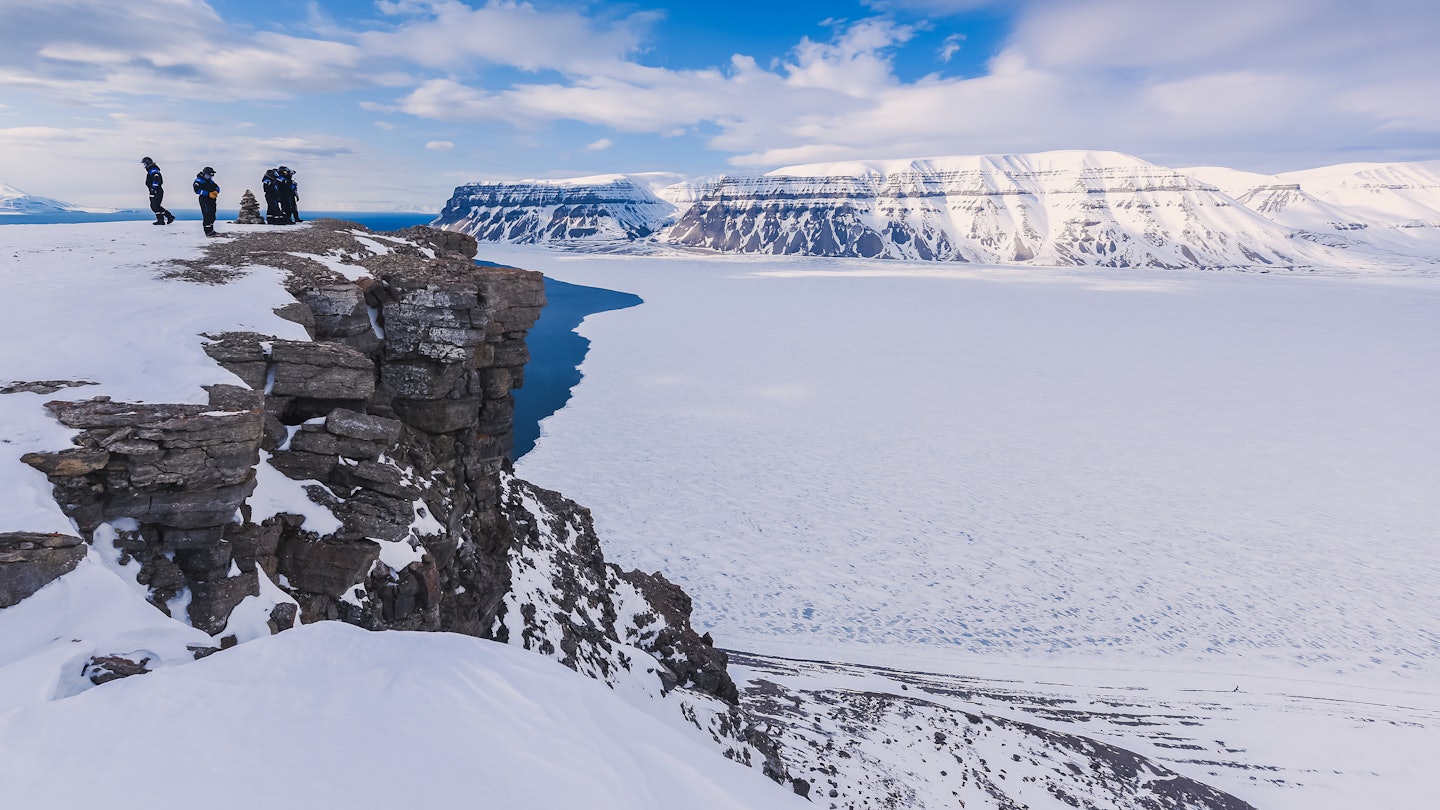
Tempelfjorden in Svalbard, Norway. ginger_polina_bublik/Shutterstock
Planning a trip to Svalbard may seem a bit daunting. Located midway between Norway's mainland and the North Pole, this remote island cluster is a land of extreme climate, glaciers and polar bears. Factor in some of its unique laws and Svalbard can feel far removed from the rest of the world.
The archipelago consists of three islands: Spitsbergen, Edgeøya and Nordaustlandet. Most of Svalbard's tourism activities take place on Spitsbergen, centered around the settlement of Longyearbyen. Accommodations are limited to mostly traditional hotels, although a small number of hostel rooms and self-catering apartments are available near Longyearbyen.
Here's everything you want to know about visiting Svalbard.
Advertisement
When should I go to Svalbard?
Svalbard's tourism season is at its peak in the summer (May to September). The snow starts to melt in May, making it easier to get around, with more flights from Oslo and more cruise ships docking at Longyearbyen.
This is also the best time to visit Svalbard for wildlife watching. Come in June and you'll have a good chance of spotting walrus, polar bears and even whales on a cruise. You'll also be bathed in 24 hours of daylight until the end of August, when the sun begins to set again. Overall, it's an easier experience to visit during the warmer months.
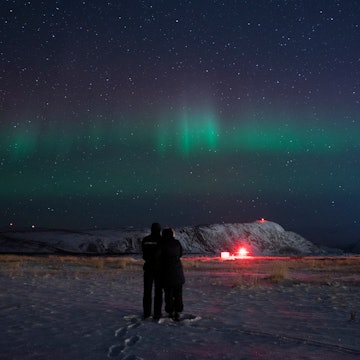
That said, Svalbard was made for adventurous travel, and some vistors are drawn specifically for its endless polar nights. The sun disappears entirely from the end of October to February, but that doesn't mean that Svalbard comes to a standstill – you can still enjoy activities such as snowmobiling and dogsledding, and there's a good chance of spotting the northern lights. Just be sure to pack for the conditions because winter temperatures can drop as low as −20°C (−4°F).
How much time should I spend in Svalbard?
Most tourists in Svalbard pack their days with excursions. However, unless you're planning on taking a hardcore, multiday trek across the archipelago, you can experience the highlights in a short trip of 2–3 days.

Is it easy to get in and around Svalbard?
Both Norwegian Air and SAS fly from Oslo to Longyearbyen, and between the two carriers, you'll be able to get a flight most days of the week. You can also get a flight from Tromsø – in fact, even if your flight says it is direct from Oslo, it may stop at Tromsø, and you'll have to disembark for passport control.
If you are connecting to Svalbard via Oslo's airport, you should check to see if you need a Schengen visa for Norway, as Svalbard is not part of the Schengen area.
Public transportation is almost nonexistent in Svalbard, with the exception of the shuttle bus to Longyearbyen from the airport. The journey takes just minutes, and the bus is timed to coincide with all arrivals and departures. It will drop you directly at your accommodation; a one-way ticket costs 110 Norwegian krone (kr).
If you leave Longyearbyen, you'll probably be with a tour guide. Most visitors explore the area outside town on guided excursions, which often include transfers to and from your accommodation. These tours can take you to ice caves, fjords and the active mining settlement of Barentsburg to see the industry that shaped Svalbard. There are also northern lights trips in winter.
Arctic Autorent is the biggest car rental company in Svalbard, and it has an office at the airport. You can book ahead online, and prices start from 1200kr a day. However, you should note that roads are limited once you leave Longyearbyen; you will not be able to get to settlements like Barentsburg or Ny-Ålesund by car. There are also two taxi services in town; call ahead and book if you want to get a lift somewhere.
The most common form of transportation in Svalbard is the snowmobile; these vehicles are parked outside practically every home. Plenty of tour operators can arrange a rented snowmobile if you'd like to drive one yourself (electric models are often available).
Advertisement
Don't let the Arctic weather stop you from exploring Longyearbyen on foot – the locals don't! Crampons for your shoes will make this an easier endeavor.

Top things to do in Svalbard
If you've ever dreamed of waking up to a view of glaciers glittering in a sun that never sets or dogsledding under the northern lights, Svalbard is the destination for you. Accessible from mainland Norway, this archipelago retains a real sense of adventure, and its main town, Longyearbyen, is a frontier outpost poised on the edge of one of the harshest – and most awe-inspiring – wildernesses in the world.
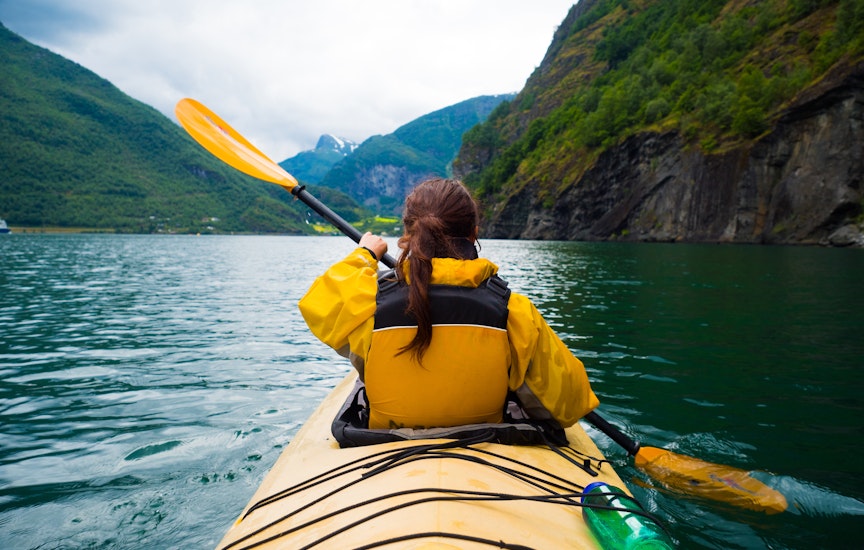
Svalbard is realistically the furthest north most of us are ever likely to get. Wrap yourself up tight and spend as much time as you can out in the wild landscape. Wildlife-watching tours, glacier-spotting cruises and kayaking trips are great in the summer, or opt for a hike with the proper safety precautions (remember, this is polar bear country). You can hop on a snowmobile or ride on a dogsled at any time of year.
The wilderness and wildlife are the big draws, but there are some conventional sights to see, too. Unfortunately, you can't visit Svalbard's remarkable Global Seed Vault without special permission, so you'll have to make do with snapping a picture from afar. The fascinating Svalbard Museum is well worth a couple of hours of your time, with its displays on the life formerly led by whalers, trappers, seal and walrus hunters, and miners.
For something a bit different, head to Svalbard Bryggeri, the northernmost brewery in the world. A tour with tastings costs from 525kr, and you can book in advance. If you can't make it to the brewery, pick up some cans in a grocery store.
How much money do I need in Svalbard?
Svalbard is not a budget destination. For day-to-day living, it has the same high prices as other Scandinavian destinations. All food has to be imported, which increases the cost of meals and provisions, although this is offset slightly by the lack of VAT in Svalbard. In fact, if you need to stock up on outdoor gear or clothing, it will probably be cheaper to get it here than in mainland Norway.
Night in a single bed in a hostel: from 1450kr
Night in a basic room for two: from 1725kr
Night in a self-catering apartment: from 2700kr
Coffee: 40kr
Dinner for two: from 300kr for pizza to 900kr for steaks
Pint of beer: 80kr

What to pack for Svalbard
Leave your worn, tired socks at home, because in Svalbard, your shoeless feet will be on show…a lot! Svalbard was dominated by coal mining for a long time, and workers were required to leave their boots at the door to avoid bringing the black dust inside. Coal mining is dwindling on the islands, but the tradition remains; you'll be required to remove your shoes in your accommodation and in restaurants and bars (though not in shops).
Most accommodations provide you with slippers, but you might want to bring your own for comfort. At the very least, bring decent, warm socks.
Here's a packing list to make sure you're prepared for all the Svalbard adventures you can handle:
Long wool underwear
Wool socks and gloves
Fleece layer
Outer windproof layer
Waterproof boots
Slippers
Comfortable indoor clothes for your hotel
A camera with a long lens
For winter, also bring a down jacket, crampons for your shoes, a headlamp and a reflective vest. And for summer, bring high-factor sunscreen, good-quality sunglasses and an eye mask.
How to stay well in Svalbard
If you're coming from somewhere with a more temperate climate, conditions in Svalbard can feel extreme, even in the summer. You might experience some sleep disruption – it can be difficult to wind down during the midnight sun season of 24-hour daylight and tough to wake up at the right time in the constant darkness of the polar night.
Unless you're visiting at the very height of summer – when temperatures can reach a balmy 10°C (50°F) – it will likely be very, very cold. A heavy-duty moisturizer and lip balm will help protect your skin from getting too dry. Carry some Vaseline and apply a thin layer just inside your nostrils to protect your sinuses from the sudden change to cold, dry air.
For the summer, a good eye mask is essential, and a medicinal supplement such as melatonin may help you drift off to sleep at the right time. Try to maintain a good sleep routine, and close those black-out curtains for a couple of hours before attempting to sleep. If shut-eye eludes you, don't worry – the sun will probably give you enough energy during the day to make it through your activities, even if everything seems difficult when you first get up.


Take safety precautions when leaving Longyearbyen
As you approach the town limits of Longyearbyen, you'll notice striking road signs with a polar bear on them. Go past these signs and you'll be required to take safety precautions in case you encounter a polar bear.
At the very minimum, you should have equipment that will scare off polar bears, such as a flare gun with multiple flares. However, a rifle – and the necessary firearms safety experience – is safer still. If you're leaving on an organized excursion, you won't need to worry about safety protocols, as your guide will have all the necessary equipment.
It's always wise to have a professional guide with you whenever you leave the town limits. If you are planning to travel independently, you'll need to familiarize yourself with the extensive safety precautions and regulations from the governor's office far in advance. Ensure that you bring or rent all the necessary equipment, including an emergency beacon, map and compass – and that you have the skills to use them. You also need to alert the governor's office of your trip beforehand.
Protect the landscape in Svalbard while you explore
Although you should be careful when traveling through any natural landscape, even stricter rules apply in Svalbard due to the fragile nature of the environment. Don't disturb the birds or other animals, and familiarize yourself with the no-go areas for vehicles and snowmobiles if you are traveling independently. It's prohibited to actively bait or pursue polar bears, both for their safety and your own. Rabies is also a risk; the disease can be carried by reindeer and Arctic foxes.
If you visit Svalbard in the summer, don't pick the flowers. And of course, don't leave any evidence of your trip behind in the form of litter or other waste.

Do I need a visa for Svalbard?
You do not need a visa to travel to Svalbard specifically, though you'll likely pass through mainland Norway on your way, which does require a Norwegian visa.
Interestingly, you do not need a visa to work here. If you are truly captivated by your trip and wish to move north, it's legal for anyone of any nationality to immigrate – you just need to acquire employment and housing prior to arriving.
Advertisement