Advertisement

Choquequirao in Peru. Christian Declercq/Shutterstock
At Lonely Planet, we love a dream trip. We are always looking for destinations that you can’t find anywhere else. And South America has countless opportunities for adventures that check off an item from your bucket list. This year, orient yourself toward towering glaciers, multinight cruises along the Amazon and otherworldly deserts.
Still craving more? That is why we have gathered eight of the dreamiest trips to take through this expansive continent.
Advertisement
1. Journey down the Amazon in Brazil
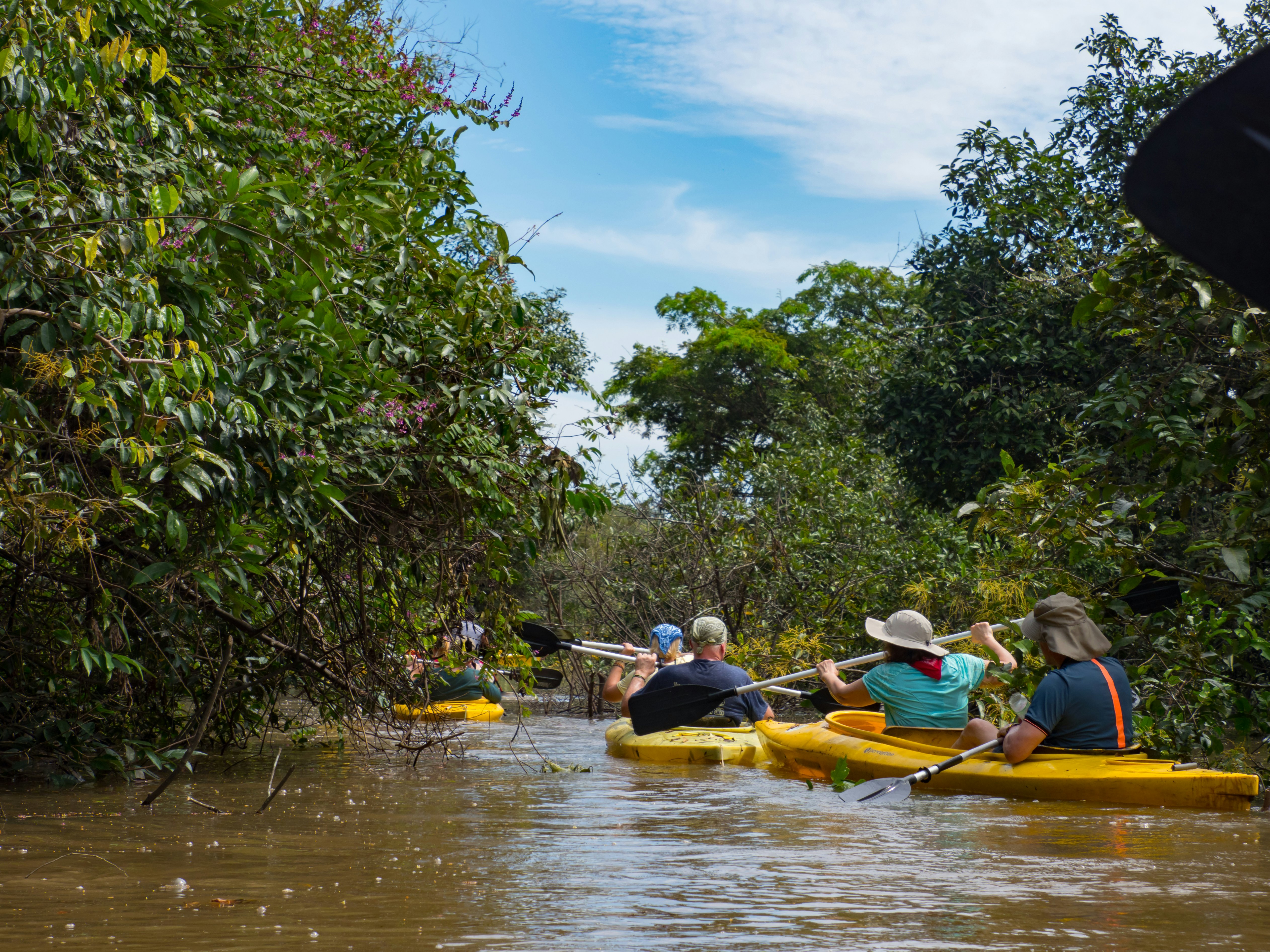
In the roadless tracts of the Amazon, highways are made of water and oversized ferries are floating buses carrying people and produce from place to place. Begin in Manaus, the epicenter for adventures into the jungle. Dozens of lodges lie within a half-day boat journey from the city, including riverside spots where days are spent tracking monkeys, macaws and pink river dolphins and the nights immerse you in the wondrous cacophony of the rainforest’s nocturnal wildlife.
From Manaus, it’s a slow 4-day journey aboard a triple-decked wooden vessel strung with hammocks. Along the way, several worthwhile places break up the trip, including Santarém, which has a pleasant riverside promenade, leafy parks and open-sided restaurants serving up fresh fish from the Amazon. Just west of Santarém is Alter do Chão, a village fronting a lagoon complete with white sand beaches and limpid waters ideal for snorkeling.
The boat journey ends at Belém, a captivating city near the mouth of the river. By day, shoppers crowd into the vast belle epoque Ver-o-Peso market, the stalls heaving with exotic Amazonian fruits, medicinal plants and the fresh catch of the day. In the evening, friends and couples gather at the open-air bars and cafes of shore-hugging Estação das Docas, the perfect spot to watch the sunset over Guajará Bay.
2. Behold the otherworldly Atacama Desert in Chile
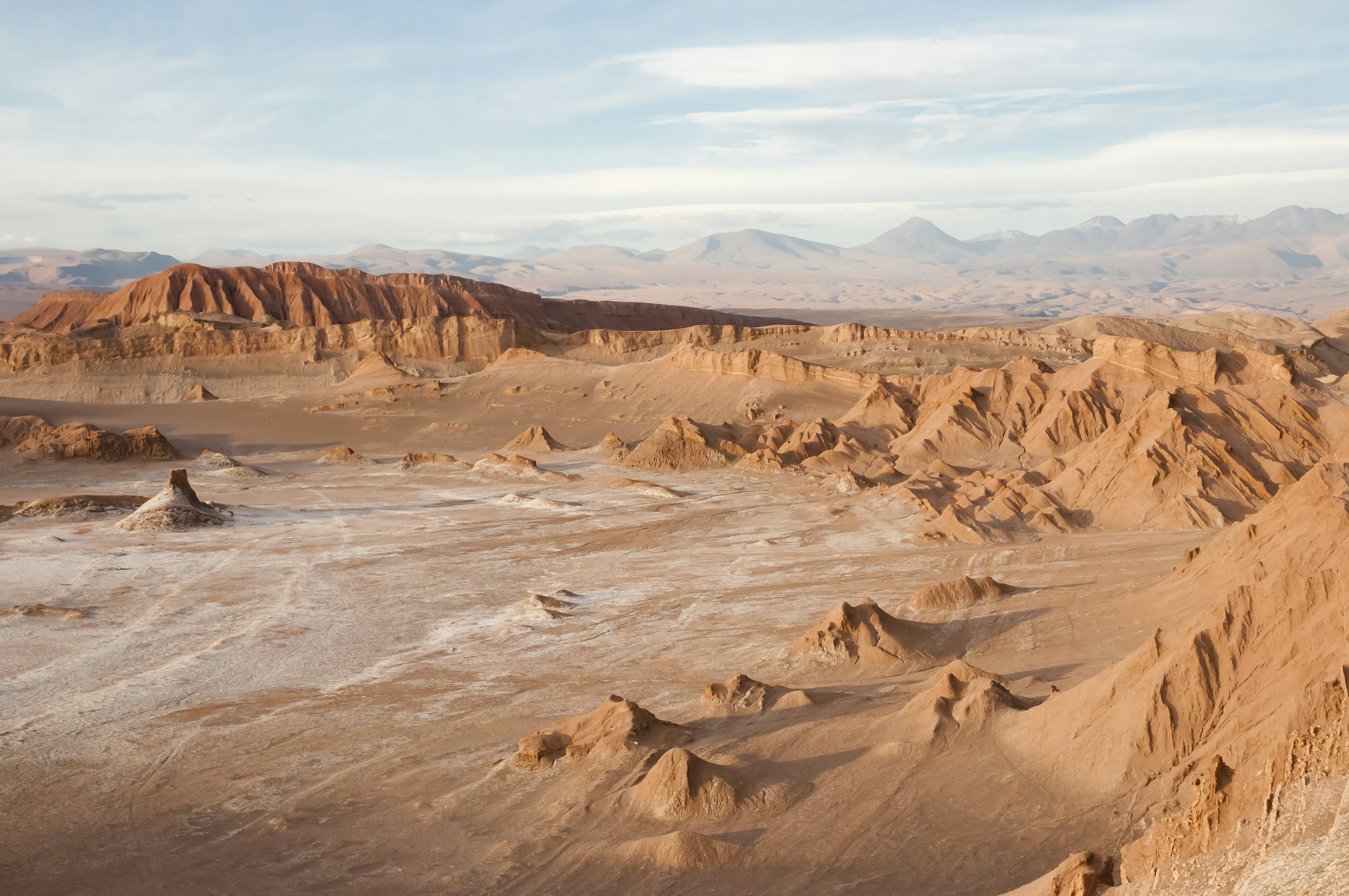
Steam spills from gurgling mud pools as a geyser blasts superheated water into the frosty air. The sun peaks over the mountains, bathing the geothermal field of El Tatio in golden light. Walking amid these sputtering features high in the Andes, it’s easy to feel like you’ve landed on another planet.
To the west, the wind creates artful, undulating patterns in the red-gold sand dunes of the aptly named Valle de Marte, meaning "Valley of Mars." Nearby, dramatic multihued rock formations rise in the Valle de la Luna (Valley of the Moon), and shimmering salt lakes seem as lifeless as the surrounding desert – until a flock of brilliant pink flamingos arrives to feed on brine shrimp and other microorganisms. These are just a few of the many astonishing scenes in the Atacama, one of the oldest and driest deserts in the world, and the otherworldly wonders don’t end at sundown. With clear skies and little light pollution, the region is renowned for stargazing.
3. Live it up in Rio de Janeiro
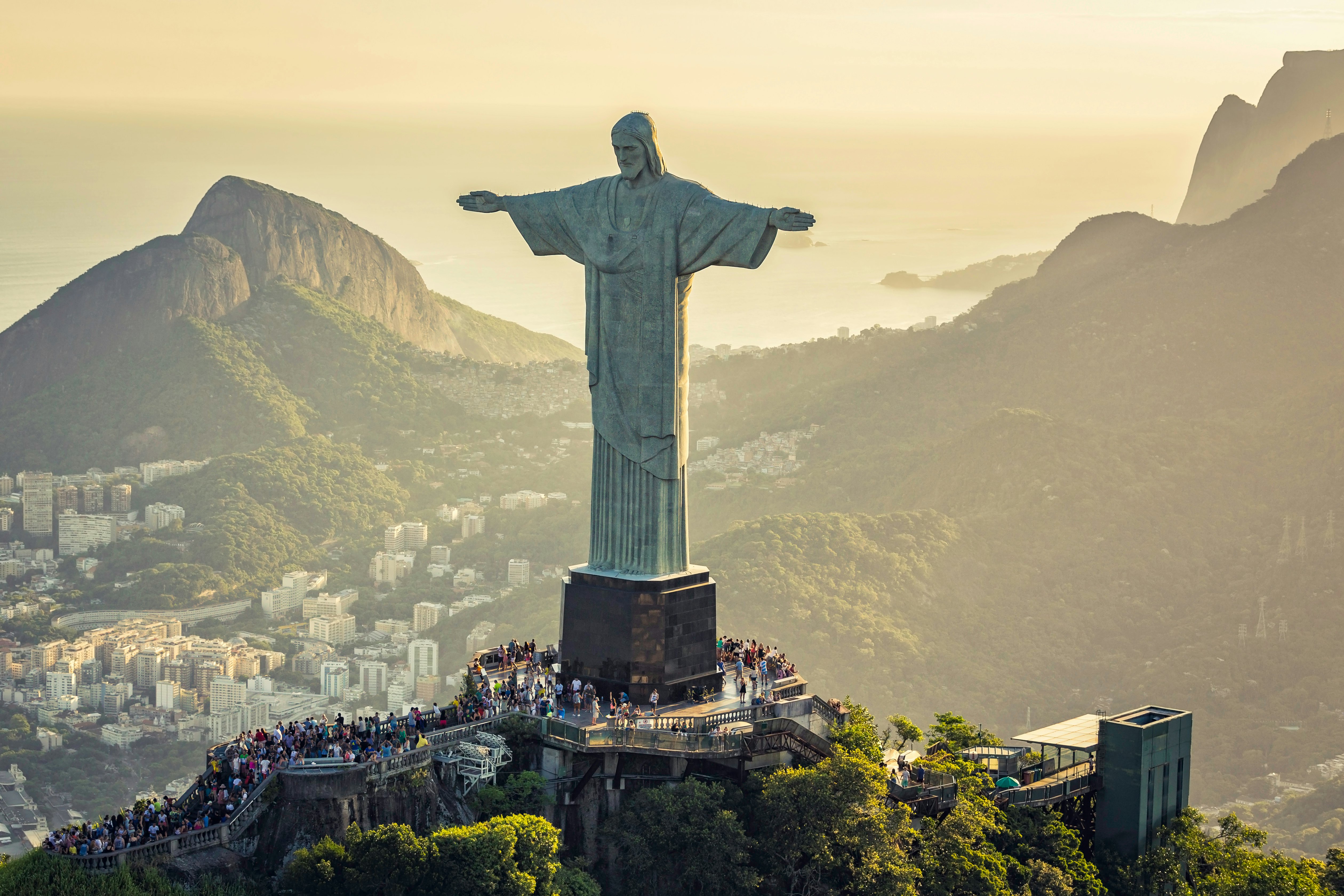
Rio de Janiero has an idyllic setting for a metropolis. Wedged between forest-covered mountains and golden beaches, human life mixes with marmosets skittering through leafy parks and capybaras grazing along the shores of Lagoa, while street markets heave with exotic fruits.
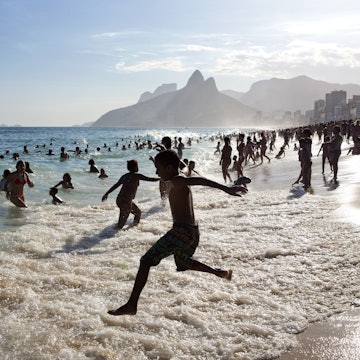
The wonders of the tropics seem deeply woven into the urban fabric here. When the sun is high overhead, there’s no better place to be than Ipanema Beach. Surfers jockey for space off rocky Arpoador as vendors wind through crowds clad in bikinis and sungas (Speedos) proffering agua de coco (coconut water), cerveja (beer) and other cold drinks. Bronzed bodies are everywhere – kicking footballs, jogging along the water’s edge and cycling the promenade.
In the evening, life takes a different form. Samba’s rapid rhythms draw revelers to Lapa’s dance halls, and a bohemian crowd heads for Santa Teresa’s hilltop cocktail lounges. With so much on offer, it’s no wonder cariocas (residents of Rio) joke that "Deus é Brasileiro" (God is Brazilian) and couldn’t imagine living anywhere else.

Advertisement
4. Hike into the wilds of Patagonia in Chile and Argentina
When you’re on the road to nowhere at South America’s southern tip, keep going. There’s no reaching Patagonia in a hurry, whether you arrive bleary-eyed by plane, on a rumbling overnight bus or by choppy ferry. But it’s instantly worth it when you first see its toothy granite peaks, piercing blue lakes, booming glaciers and buff-colored steppe veined with silver rivers.
Topping every hiker's Patagonia must-do list is Torres del Paine and its celebrated 4-day, 80km W Trek. The masterstroke is the vast iceberg-calving, crushed-meringue-like expanse of the Grey Glacier. These days, you can choose your level of comfort, from a wind-pounded tent to a dorm bed in a refugio (rustic shelter) to a luxe lodge where you can round out a day’s hike over steaks and pisco sours. For fewer crowds, sidestep peak season (November to February) or tackle the tougher, remoter, less-hyped 8- to 10-day O Circuit.
Argentina lures intrepid folk to Parque Nacional Los Glaciares for challenging treks like the 4-day, 65km Huemul Circuit, or you can embark on the long-distance Huella Andina, a 600km stomp across northern Patagonia from Neuquén to Chubut, rounding up five national parks.
Hike anywhere in Patagonia and you’ll curse the wicked winds and cruel climbs. But you’ll be back, bearing muddy boots, as there’s no place on earth quite like it.

5. See evolution in action on the Galápagos
The world has a lot to thank the Galápagos Islands for. Famously connected to Charles Darwin and his theory of evolution, these islands were never part of the South American mainland, meaning plants and animals here followed their own extraordinary paths. Tortoises, free of predators, became huge. Finches, lacking competition, specialized into tool users (woodpecker finch), seed eaters (ground finch) and bloodsuckers (vampire finch). Flightless cormorants dive like porpoises, and iguanas feed in the sea.
The landscapes are just as unusual, varying from island to island. Younger islands like Isabela burst with volcanic activity, while central Santa Cruz features endangered scalesia forests. Older islands to the east include Española, whose flat-topped cliffs are home to colonies of waved albatross – a bird so massive it needs a runway to get aloft.
While it’s impossible to see everything in one trip, even a short cruise packs the days with once-in-a-lifetime experiences, from spotting blue-footed boobies in a mating dance to snorkeling over lava formations.
Pro tip: Small (typically 16-passenger) cruise ships offer the best way to see the islands. Peruse a range of itineraries with Lonely Planet Journeys.

6. Venture from the desert to the jungle in Colombia
Colombia's 1600km Caribbean coastline is way more than a string of palm-fringed beaches. Behind the strips of sand lie a mix of strident cultures, diverse ecosystems and molded-in-stone history.
Flush against the border with Venezuela, La Guajira stands at the northern tip of the South American continent. The scrubby landscapes, best navigated in an off-road vehicle, are inhabited by the Indigenous Wayúu people, known for their intricate weaving and forthright resistance to colonization.
The coast’s biggest lure for first-time visitors is the well-preserved walled city of Cartagena, some 470km to the west, its basic structure unaltered for centuries and its charm and mystique unrivaled anywhere in the country. With intimate plazas and sturdy fortifications, the former trade port is an evocative place for lovers of history, romance and good food.
You’ll find grittier and less crowded urban action in Santa Marta. The coast around Santa Marta is lush and humid, culminating in the small, forested swathe of Parque Nacional Natural Tayrona, a paradise of meandering coastal trails leading to idyllic swimming spots. The city is used as a base for excursions into the misty mountains of Minca and the isolated hike-in ruins of Ciudad Perdida, a one-time citadel of the Tayrona civilization.
West again, past Cartagena, the coast is less touristy until you reach the Gulf of Urabá, beyond which lies the thin jungle-covered Darien Gap isthmus, where North and South America meet.

7. Marvel at the surreal Salar de Uyuni in Bolivia
Driving across the blindingly white landscape can cause you to lose all sense of proportion. The horizon vanishes, and mirages form and then melt away on Bolivia’s Salar de Uyuni – the largest salt flats on the planet. The surreal perspective only intensifies after a rainstorm, when a thin layer of water creates a mirrorlike surface reflecting the sky overhead. Stepping onto the astounding terrain is like walking on clouds.
Tours from the lofty town of Uyuni (elevation a whopping 3700m) rumble out to the great sunbaked plains. Along the way, you’ll stop at a mountaintop emerging from a snowy white sea – or at least that’s what Isla Incahuasi resembles. This cactus-covered "island" is all that remains of an ancient volcano that was once surrounded by a prehistoric lake. By late afternoon, the blustery desert cold arrives along with a legendary sunset, as the sky and glasslike earth below light up in fiery colors.
Pro tip: Numerous companies offer tours (typically 3-day circuits) from Uyuni. It’s worth paying extra for a reputable outfit.

8. Encounter ancient civilizations and mythical ruins in Peru
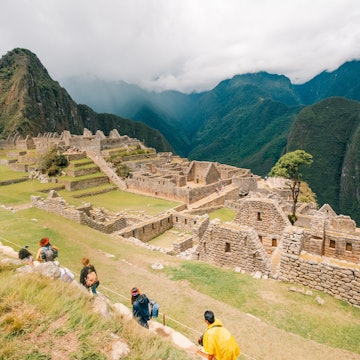
Peru’s incredible ruins showcase a rich tapestry of Indigenous cultures spread over 5 millennia. From fortified ridgelines in the Andes to mysterious geoglyphs in the Nazca Desert, the country is scattered with archaeological sites. The misty terraces that embellish the slopes of Machu Picchu are merely a gateway to less heralded but equally fascinating places.
While none are quite as spectacular as the fabled Lost City of the Incas, many are significantly older, and most are a lot less crowded. The south is a good place to start. With Cuzco as your base, pitch northwest to the ruins and museums of the Sacred Valley. A special ticket, the boleto turístico, covers a dozen sites here, including magnificently terraced Pisac, megalithic Sacsaywamán and geometrically aligned Ollantaytambo, famed for its aqueducts and fountains. Save time for the Lost City’s smaller sibling, Choquequirao. Sometimes referred to as a mini Machu Picchu, it’s more tranquil, thanks to its relative isolation (it’s a 4-day, round-trip hike).
Several sites are easily visited from Peru’s big cities. Pachacamac, 31km southeast of the capital, Lima, is an ancient citadel with adobe and stone palaces and temple pyramids. Chan Chan, on the coast just outside handsome Trujillo, is the largest adobe city in the world. Branching off into remote valleys in the snowcapped Cordillera Blanca, you’ll have to endure long bus rides and thin air to feast your eyes upon Chavín de Huántar – it’s worth the effort, though.
Advertisement