Advertisement

Barton Creek Cave, near San Ignacio, Belize. Paul Harding 00/Shutterstock
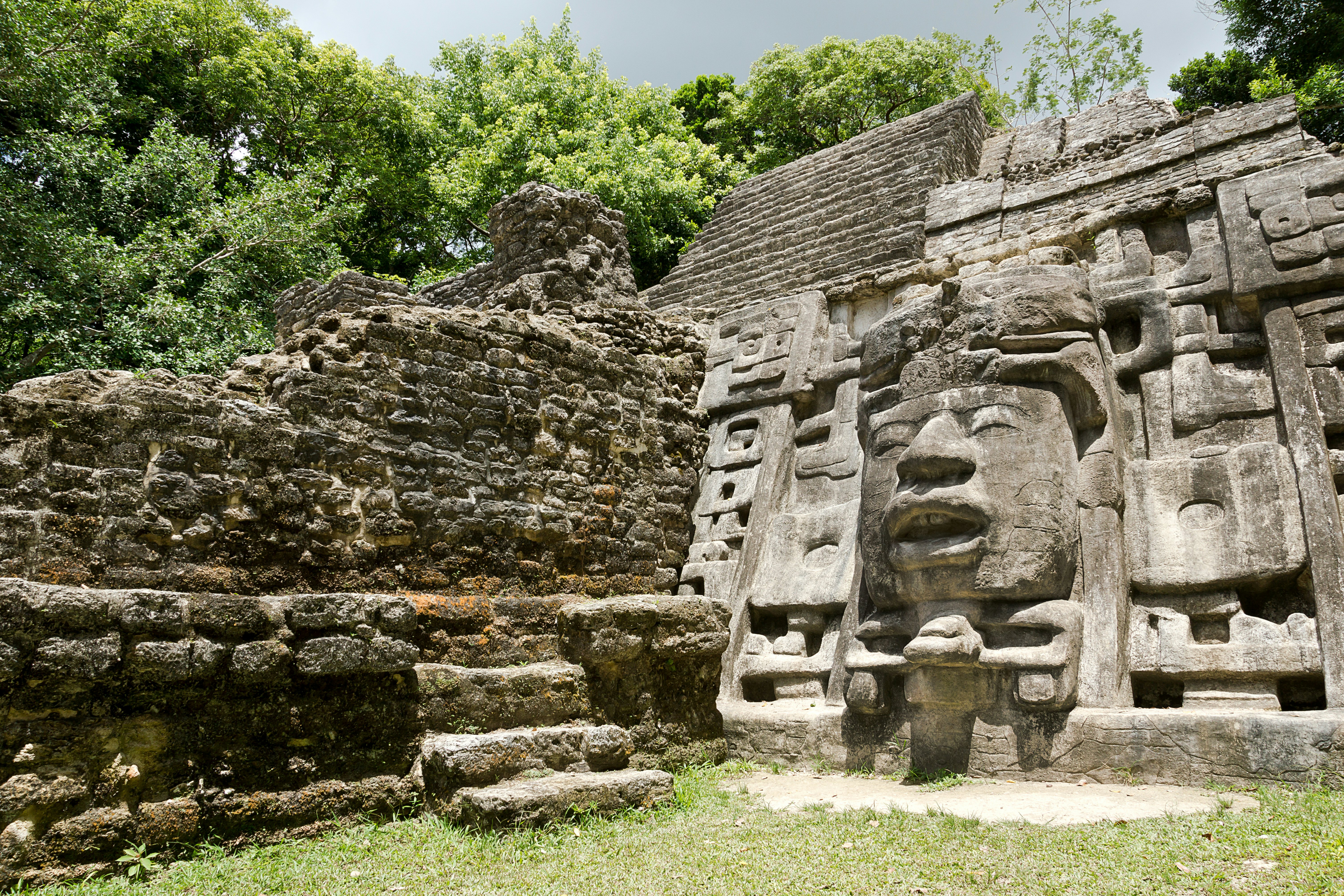
It may be the second-smallest country in Central America but Belize delivers across the board: eco-adventures by the score, cultural heritage as diverse as the landscape, Maya temples that tower over modern human-made structures, hundreds of islands with blindingly white sandy beaches, the world’s second-largest barrier reef and its superior diving...you get the idea.
On the mainland, overgrown rainforests reveal hiking trails to double waterfalls. Complex cave systems run underground, while winding rivers are best enjoyed by inner tube. Then there’s the food: aromatic, franchise-free bites can be found on every other street corner, as is the inviting Belizean spirit.
But where to start? Here’s everything you need to know about visiting Belize before you set off.
Advertisement

1. You’ll need at least 7 days in Belize
Belize can feel like both the Caribbean and Central America all at once – and those two experiences can exist in a single vacation, as it’s easy to cross the entire country in a single day on a road trip. Still, it’s better to do things the Belizean way: unhurried.
Aim to spend at least a week here. Split your itinerary between Northern, Central and Southern Belize, and plan to stay at least three nights in each area. This allows enough time to enjoy your accommodations, visit the regional sights and recover in between.
2. Don’t fear the rainy season
Belize’s rainy season (June to November) coincides with the Atlantic hurricane season. This means lower hotel rates, lower room occupancy and better deals.
Major attractions – like Maya sites, archaeological reserves, hiking trails and waterfalls – all stay open during this period unless nature decides otherwise. All in all, it can be a good time to visit.
Flooding risks tend to subside within 48 hours, and high winds are more of a risk when driving than the downpours. Some hotels and restaurants close during their slowest months, such as October, so check ahead.
3. But buy travel insurance
This is always recommended but especially so if you decide to visit during the rainy season. Buy travel insurance to protect your trip should a hurricane cut it short.
4. You probably won’t need a visa
Verify whether you need an entry visa to Belize on the Immigration Ministry’s website, as a select few countries require one. Regardless, all visitors — even visa-free entrants — must apply for an extension to stay in the country longer than 30 days, depending on citizenship.
5. Pack some US dollars
You won’t need to carry loads of cash, as there are plenty of point-of-sale machines and ATMs in the more popular destinations.
US dollars (US$) are accepted across the country at a 2-to-1 rate, though try to carry US$10 and US$20 bills as they are easier to make change. You’ll likely get back smaller bills in Belize dollars (BZ$).
6. It’s OK to drink tap water in Belize, but filtered water is the norm
While it’s OK to drink tap water in Belize, filtered water is the norm. It usually comes in small bottles or from a 5-gallon water dispenser.
Advertisement
Since Belize banned single-use plastic (excluding disposable water bottles), carrying a reusable water bottle is a good idea and appreciated. Hotels and resorts often station dispensers near the front desk, while most restaurant staff will refill your bottle for free.

7. Drive during the day
Rental cars cost as little as US$50 per day, and it’s easy to get around Belize via its five major highways. However, they’re dimly lit, and the single-lane roads are often lined with “sleeping police,” a colloquial nickname for speed bumps. The bumps are often unpainted, too, so it’s best to stick to driving in the daylight hours.
8. Watch out for wildlife on the roads
Green signs are directional, while yellow signs warn that wildlife could be crossing. Look out for tapir on the John Smith Airport Link Rd and coatimundis (diurnal mammals native to South America) on the scenic Hummingbird Hwy.
9. Be polite if you want to impress the locals
Locals will greet one another, and reciprocity is expected. Bidding a general “good morning” as you enter a room goes a long way, and a simple nod of acknowledgment is returned with a smile. Belizeans like to chat, so expect to make small talk while waiting in a line.

10. Try the street food
Scooped from deep pots of fragrant stews, coconut-milk-infused rice and beans are often served with caramelized fried plantains. A quasi-religious meal, everything is homemade, and it's often considered impolite to leave food on your plate uneaten.
Street food is relatively inexpensive. Don't miss the gravy-filled meat pies that mobile vendors balance on bicycle handlebars or the johnny cakes (coconut-based baked biscuits sliced and stuffed for long journeys).
Locals cook a lot with masa, transforming it into deep-fried favorites like panades (crispy crescents of beans, cheese or flaked fish) and salbutes (open-faced rounds piled with shredded chicken and cabbage).
Late-night grub is often meat heavy: street tacos, pupusas (cornmeal cakes stuffed with beans, cheese and fried pork), burritos, or a not-so-humble hotdog with bacon and caramelized onions. Any griddle on wheels will fill your stomach for BZ$10.
11. Don’t forget to tip
Tourism has helped instill a tipping culture in Belize, but it’s not an outright requirement. Some restaurants automatically add a sit-down service charge of up to 20%, so double-check receipts before (unnecessarily) adding more.
A gratuity is expected in cash for servers, is appreciated for tour guides and goes a long way for housekeeping, but it’s totally discretionary based on the service you experience. You can skip tipping elsewhere, but taxis sometimes round up as Belize has no fixed fares.
If you’ve received great service, match the 12.5% general sales tax on the receipt. For an exceptional tour, a 20% tip is recommended.

12. Time feels more like a suggestion in Belize
Belize offers a very slow, laid-back pace of life. That goes for everything from government offices (including immigration) to public transportation. Be flexible with your plans and be patient, even on the mainland.
Public transportation overland and on water is less than a third of the cost of domestic airlines like Maya Island Air and Tropic Air, but unsurprisingly, it will take much longer to go the scenic route. Both the water taxis and bus routes are unlikely to leave on time, so account for 15 minutes of wiggle room.
To avoid stopping for every roadside hitchhiker along the way when using the bus system, always choose the express option if your final destination is advertised on the windshield.
13. Solo women travelers are welcomed
No stranger to solo travelers or backpackers on a budget, Belize is also fairly safe for women traveling alone. Harassment will often come in the form of catcalling, but nuisances tend to back off if you stand your ground or ignore them outright. “No” is largely respected here, but sometimes you may have to say it loudly.
14. The LGBTQ+ community is generally accepted
In 2016, Belize became the first former British colony in the Caribbean to overturn its anti-sodomy laws. Still, public displays of affection between same-sex couples may solicit stares. The main tourism zones, such as Ambergris Caye, are the most LGBTQ-friendly.

15. Belize decriminalized marijuana, but that does not mean it’s legal
Belize decriminalized marijuana use on private property for adults in possession of up to 10g. However, selling, growing and smoking weed on public property remains a federal offense. Despite the impression given by some, it’s best not to buy or sell marijuana in Belize.
16. Petty crime is your main safety concern in Belize
Like any destination, it’s best not to make yourself a target for crimes of opportunity. Avoid isolated areas, don’t be flashy with money or jewelry, and don’t take public transportation alone at night. Taxis are pricier but safer and easily recognizable with green license plates. Hotels usually have their own list of trusted drivers.
In tourist zones, some vendors may be persistent, but a polite “No, thank you” should do the trick. Crime in Belize is largely drug- or gang-related, more notably in select pockets of Belize City.
Unless actively seeking them out, the average traveler naturally bypasses infamous hot spots entirely by sticking to designated tourism zones. Beyond signage, Tourism Police are omnipresent on foot, bicycle and ground patrols, but there’s still no better indicator of safety than your own gut.
Advertisement